
Bridging International Economies to Drive Shared Value
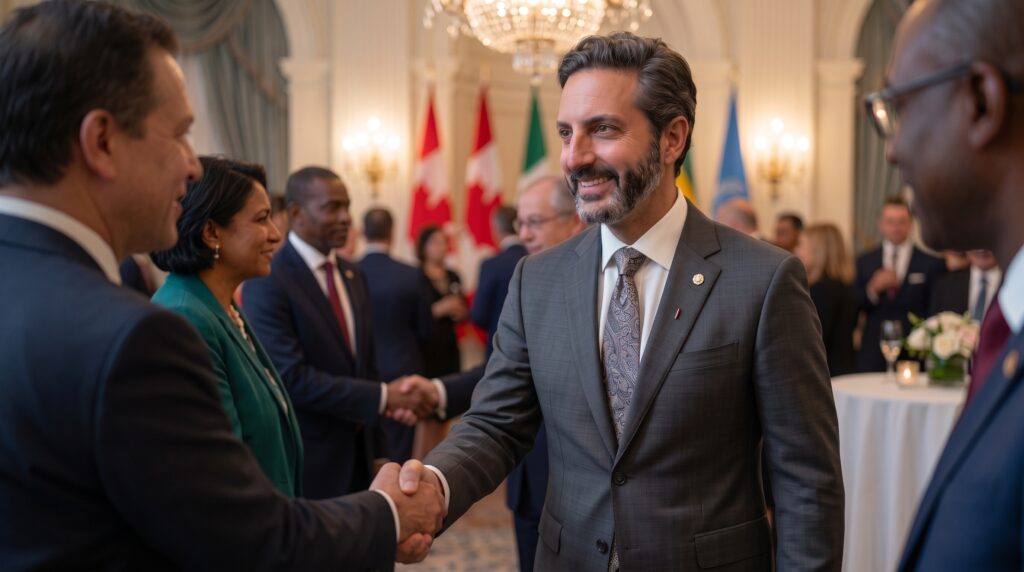
In today’s global economy, expanding international business relies on strong relationships, institutional alignment, and shared economic vision. The handshake between global investors and strategic partners represents far more than a signed contract. Furthermore, it marks the official start of long-term capital deployment and commercial growth.
Connecting Trade Corridors requires moving beyond simple transactional meetings. Instead, it demands an active framework that aligns regulatory requirements, simplifies cross-border setup, and builds lasting confidence between dynamic markets.
Building High-Level Investor Confidence
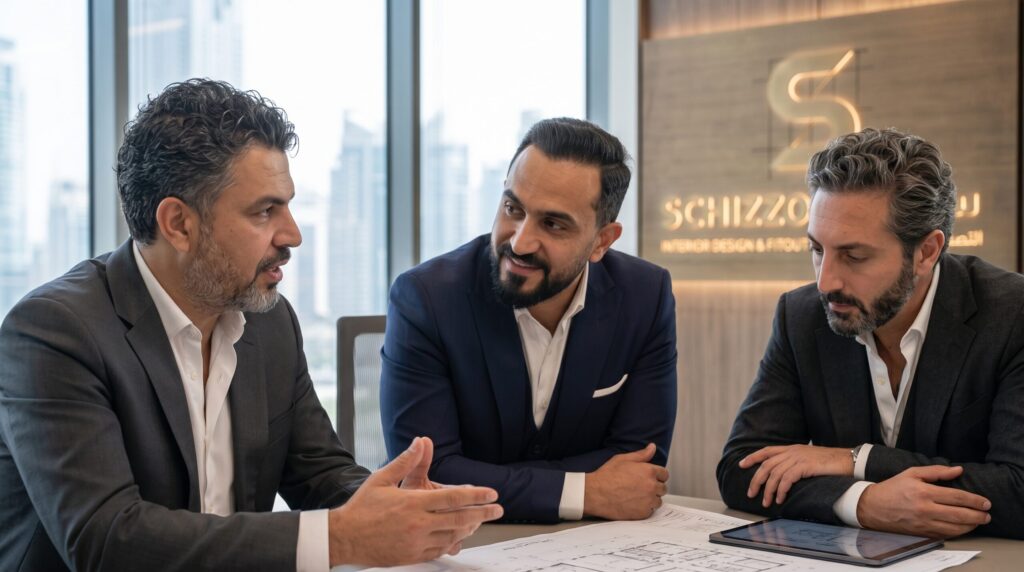
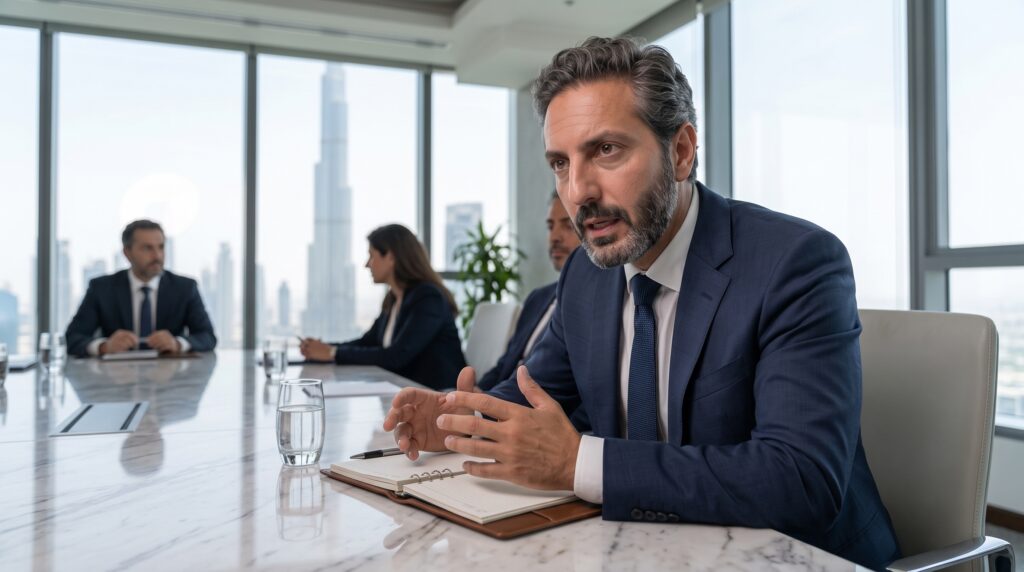
Major investment decisions depend heavily on trust and clear communication. While financial returns and market size drive initial interest, personal alignment between executive leadership and institutional stakeholders brings complex deals to completion.
– Cultivating Trust: Direct engagement between senior executives and key decision-makers bridges cultural and operational differences.
– Aligning Strategic Goals: In addition, successfully connecting trade corridors requires identifying clear win-win opportunities for both regional and international partners.
– Reducing Market Risk: Finally, clear communication provides the transparency needed to navigate legal and regulatory environments safely. Consequently, meeting face-to-face establishes a solid foundation for cross-border investments.
Moving From Agreements to Active Execution
A common challenge in international business is turning strategic agreements into active operations. Many Memorandums of Understanding are signed every year, but only a portion successfully convert into operational businesses and active Foreign Direct Investment.
– Initial Alignment: Focus on high-level meetings and shared vision to establish framework agreements and MOUs.
– Commercial Structuring: Manage licensing, compliance, and legal setup to deliver clear market entry frameworks.
– Operational Execution: Launch office locations, direct local hiring, and invest capital to initiate active business operations.
Guiding partners directly through each phase eliminates unnecessary friction. Therefore, providing clear setup pathways, expert licensing advice, and strong local governance ensures that handshake agreements quickly turn into valuable commercial assets.
Driving Bilateral Growth
Strong commercial corridors operate in both directions. Connecting growth markets, such as bridging North American capital with strategic Middle Eastern commercial hubs, creates significant value for all parties involved.
– Attracting Inward Investment: Position dynamic business hubs as top destinations for international capital seeking growth and stability.
– Expanding Outward Horizons: Help local companies enter new foreign markets by leveraging trusted networks with international chambers and government bodies.
– Securing Regional Presence: Maintain dedicated regional offices and leadership to provide ongoing market insights and partner support on the ground.
The Path Ahead
Building strong commercial connections is an ongoing priority. Ultimately, by continuously connecting strategic corridors, experienced leaders with a strong business background and bilingual communication skills can bridge gaps, align stakeholders, and drive sustainable economic growth.
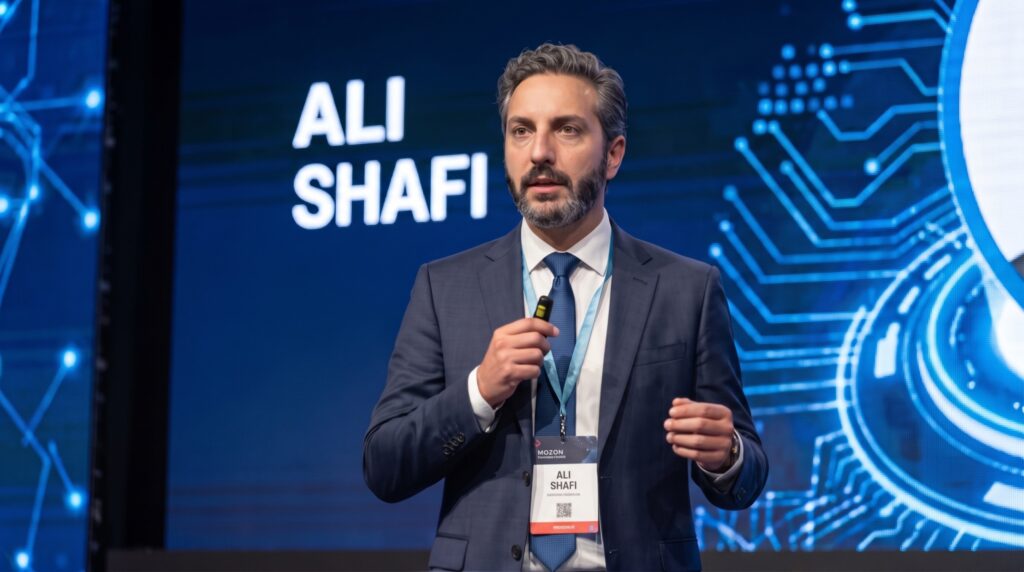
Ali Shafi is a Senior Strategic Advisor and Executive Leader based in Dubai. He advises corporate boards, sovereign entities, and enterprise groups on GCC market expansion, geopolitical risk alignment, and strategic partnerships.
Explore more executive insights at: https://www.alishafi.com/articles.