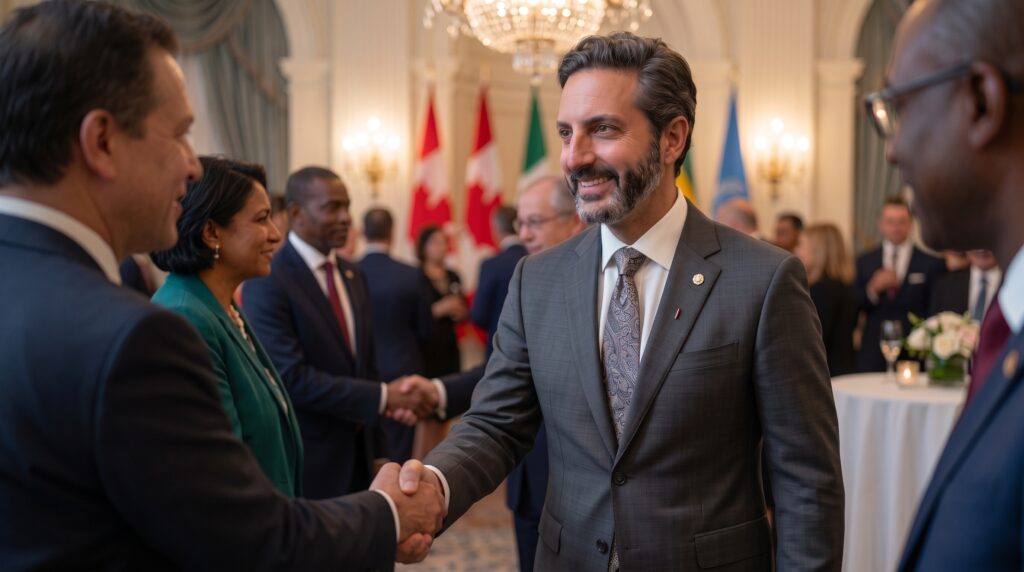
From Handshake to Harvest: Delivering Deal Value
Negotiating and finalizing strategic agreements bridges institutional alignment and operational execution. Specifically, early discussions establish initial intent. However, formalizing intent through structured frameworks anchors strategic commitments, protects transaction momentum, and aligns multi-party interests across global corridors.
Furthermore, translating economic policy into commercial reality requires clear transaction structures. Beyond ceremonial milestones, executing strategic agreements establishes governance and defines project scope. Therefore, it creates the operational roadmap necessary to move enterprise partners efficiently into technical due diligence, site selection, and capital deployment.
Key Pillars of Executing Strategic Agreements
Smart leaders rely on structured deal frameworks to protect commercial momentum:
– Institutional Alignment: First, executing strategic agreements locks in clear commercial parameters. Consequently, foreign investors and regulatory authorities gain complete mutual clarity before deploying capital.
– Risk Mitigation and Structure: In addition, establishing clear timelines and confidentiality standards within strategic agreements protects commercial interests. As a result, teams streamline complex deal structuring efficiently.
– Ground-Level Deployment: Finally, finalizing initial strategic agreements provides crucial operational authority. Thus, leaders quickly transition macro opportunities into industrial footprint expansion.
Sustaining Long-Term Commercial Value
Securing sustainable growth across high-margin markets relies on converting executive intent into binding outcomes. By embedding performance metrics and milestone gates into every deal, organizations safeguard capital investments while accelerating market entry.
Additionally, robust strategic agreements protect projects against shifting regulatory landscapes and operational complexities. They provide financial stakeholders with genuine confidence to commit resources over multi-year investment cycles.
In conclusion, strategy secures initial boardroom interest. Ultimately, master performance when executing strategic agreements separates tentative commercial exploration from measurable regional market dominance.
Ali Shafi is a Senior Strategic Advisor and Executive Leader based in Dubai. He advises corporate boards, sovereign entities, and enterprise groups on GCC market expansion, geopolitical risk alignment, and strategic partnerships.
Explore more executive insights at: www.alishafi.com/articles.