
Capturing Cross Border Trade Across Key Corridors
The Gulf Cooperation Council region has established itself as one of the most dynamic centers for global trade, digital transformation, and capital deployment. Specifically, economic diversification programs across regional member states continue to unlock substantial value for international businesses and institutional investors.
Furthermore, navigating GCC Market Opportunities effectively requires combining high-level commercial diplomacy with structured market entry strategies. Therefore, moving beyond traditional trade channels allows enterprises to establish long-term economic footprints across regional gateways.
Accelerated Economic Diversification
Strategic national visions are driving massive growth in non-oil sectors across the Gulf region. Capital allocation is actively prioritizing technology, logistics, renewable energy, advanced manufacturing, and financial services.
– Expanding Non-Oil Sectors: First, rapid growth in services and technology provides international firms direct entry into expanding commercial markets.
– Institutional Regulatory Reforms: In addition, business-friendly policies and 100 percent foreign ownership frameworks make market entry smoother for global capital.
– Strategic Trade Infrastructure: Finally, modern logistics networks and specialized free zones position the region as a primary cross-border economic corridor.
As a result, these structural shifts create favorable conditions for leadership teams looking to scale regional operations and attract foreign direct investment.
Capturing Regional Business Expansion
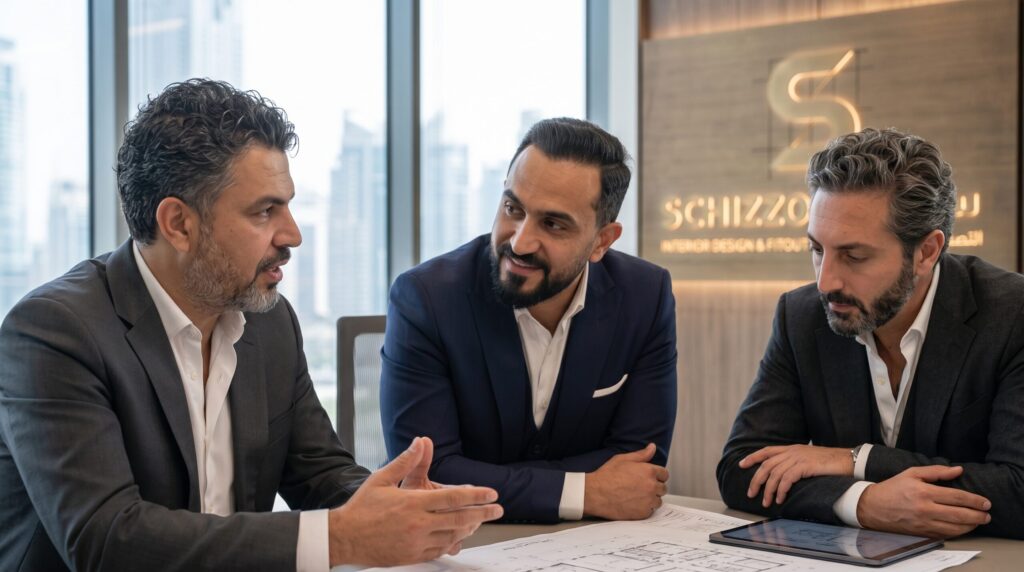
Successfully capitalizing on GCC Market Opportunities requires moving from exploratory discussions into disciplined operational execution. Consequently, strategic partnerships between government bodies, private sector leaders, and international investors serve as the foundation for long-term growth.
– Aligning Foreign Capital: First, matching international investment strategies with regional economic priorities ensures swift regulatory approval and market adoption.
– Establishing Regional Anchors: In addition, opening local offices and deploying dedicated leadership teams builds institutional trust and long-term partner confidence.
– Structuring Compliant Partnerships: Finally, navigating local legal frameworks and licensing options ensures long-term operational resilience.
Additionally, by establishing direct engagement with key regional decision-makers, global companies can turn market entrance strategies into scalable, revenue-generating entities.
The Future of Regional Leadership
The Gulf region continues to redefine its position in the global economy through strategic investments and forward-thinking economic policies. Ultimately, mastering GCC Market Opportunities enables bilingual, strategy-driven leaders to bridge regional markets, guide complex deals, and drive sustainable economic expansion.
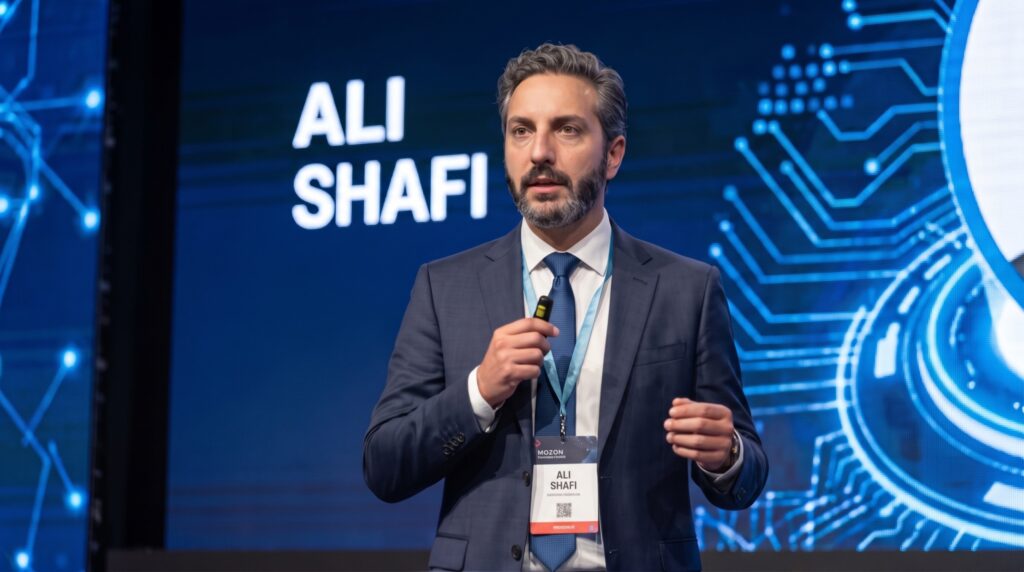
Ali Shafi is a Senior Strategic Advisor and Executive Leader based in Dubai. He advises corporate boards, sovereign entities, and enterprise groups on GCC market expansion, geopolitical risk alignment, and strategic partnerships.
Explore more executive insights at: https://www.alishafi.com/articles.