
Converting Elite Access into Measurable Commercial Influence
Securing major enterprise agreements across Dubai and Riyadh requires far more than surface-level presence or privileged access. Specifically, navigating these high-stakes financial corridors demands structuring multimillion sovereign transactions with absolute precision.
Global executives often rely on polished pitch decks, rapid valuation metrics, and short-term commercial wins. However, sovereign wealth funds and institutional entities operate on a fundamentally different frequency. For instance, their investment decisions prioritize strategic impact, national policy alignment, and multi-generational value creation. Consequently, how leaders move beyond initial executive gatherings to architect resilient, long-term frameworks determines final deal completion.
Why Sovereign Transaction Structuring is Evolving
The institutional investment ecosystem across the GCC is maturing at an unprecedented pace. Furthermore, sovereign entities are deploying substantial capital to accelerate ambitious national diversification strategies. As a result, transaction structures in this highly sophisticated landscape must seamlessly balance private sector financial return with public policy objectives.
To successfully execute high-value sovereign partnerships, strategic advisors and C-suite leaders must master three core pillars:
– Aligning Deal Frameworks with Sovereign Mandates: Commercial terms carry far greater weight when they explicitly advance regional economic growth targets. In addition, successful leaders map their transaction structures directly to regional economic development goals.
– Structuring High-Trust Risk Sharing Mechanisms: Institutional investors prioritize long-term capital preservation and downside protection. Instead of proposing standard transactional models, executives must engineer collaborative risk-sharing frameworks that safeguard sovereign assets.
– Ensuring Flawless Post-Closing Governance: Executing an agreement is merely the entry point to a broader institutional relationship. Because long-term integration is vital, leaders who embed robust post-closing governance structures secure operational alignment and unlock ongoing transaction pipelines.
Driving Sustainable Impact Through Sovereign Alliances
Operating within elite regional environments demands deep policy fluency, acute market foresight, and unwavering personal credibility. Moreover, converting initial access into enduring institutional partnerships requires translating strategic vision into execution-ready deal architecture. Ultimately, disciplined transaction structuring ensures enterprise leaders finalize sovereign deals with security and clarity.
As institutional investment across the UAE and the broader GCC continues to redefine global markets, the guidance of strategic advisors remains pivotal. Indeed, they bridge complex institutional gaps, engineer resilient cross-border alliances, and ensure every agreement delivers lasting economic impact.
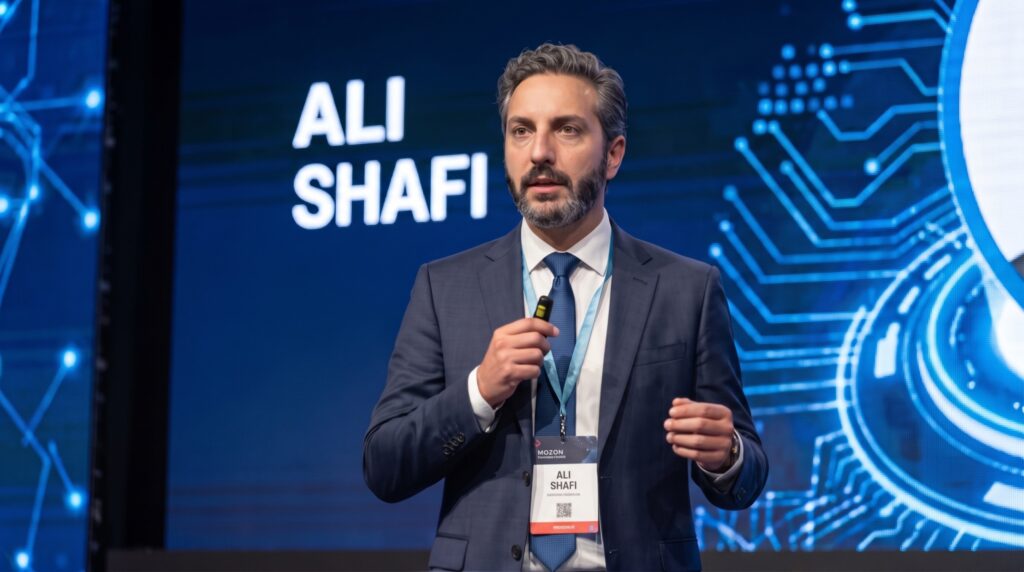
Ali Shafi is a Senior Strategic Advisor and Executive Leader based in Dubai. He advises corporate boards, sovereign entities, and enterprise groups on GCC market expansion, geopolitical risk alignment, and strategic partnerships.
Explore more executive insights at: https://www.alishafi.com/articles.