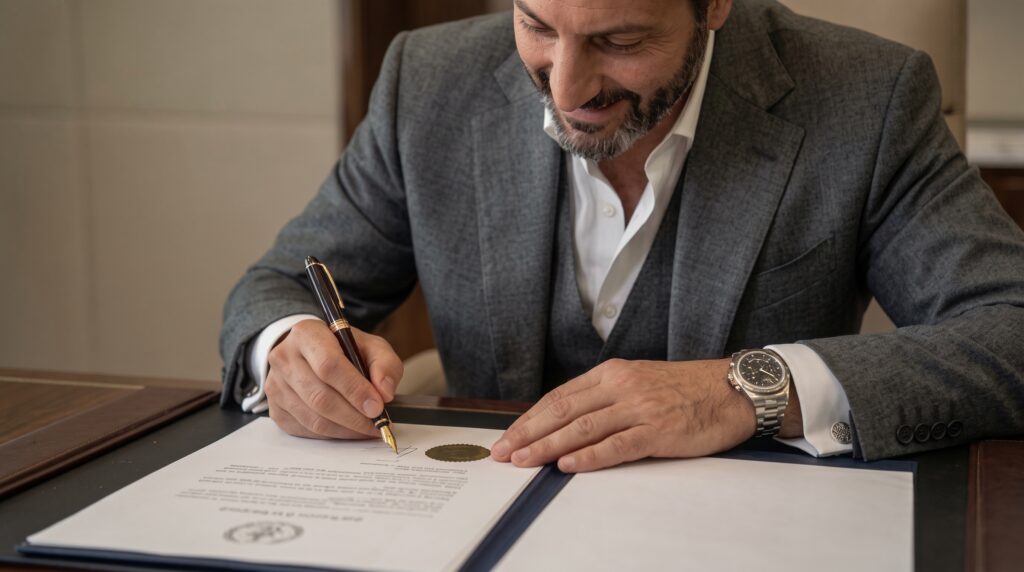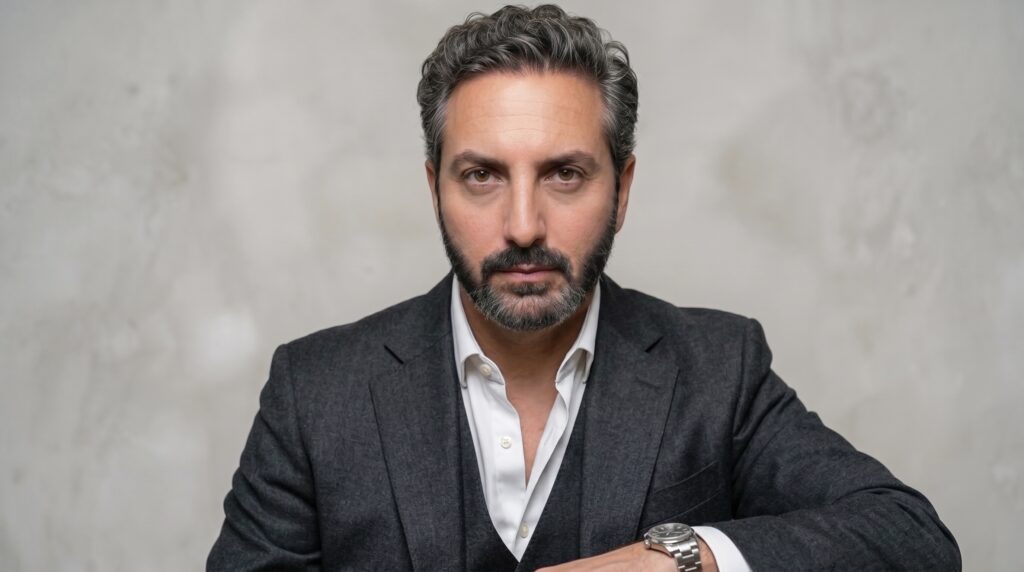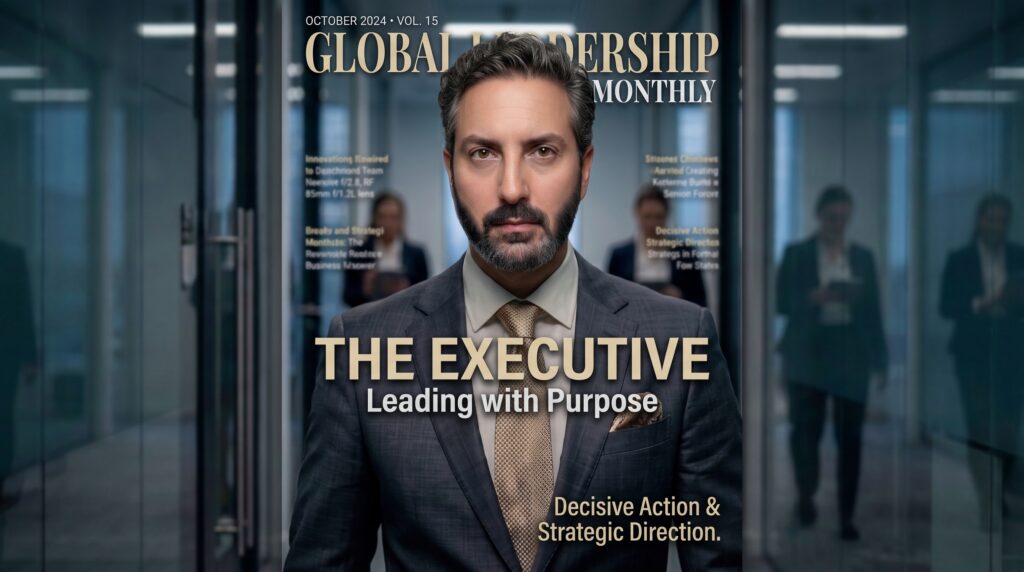

Moving Beyond Traditional Charity to Sustainable Change
Real leadership is about more than making smart choices in an office. Strong leaders know that helping people directly creates true change. Furthermore, helping others builds strong communities where everyone can succeed.
Purposeful giving is not just about donating money to big groups. Instead, purposeful giving means using your time, your kindness, and your skills to solve real problems.
Key Pillars of Purposeful Giving and Leadership
Smart leaders follow clear habits to help their community grow:
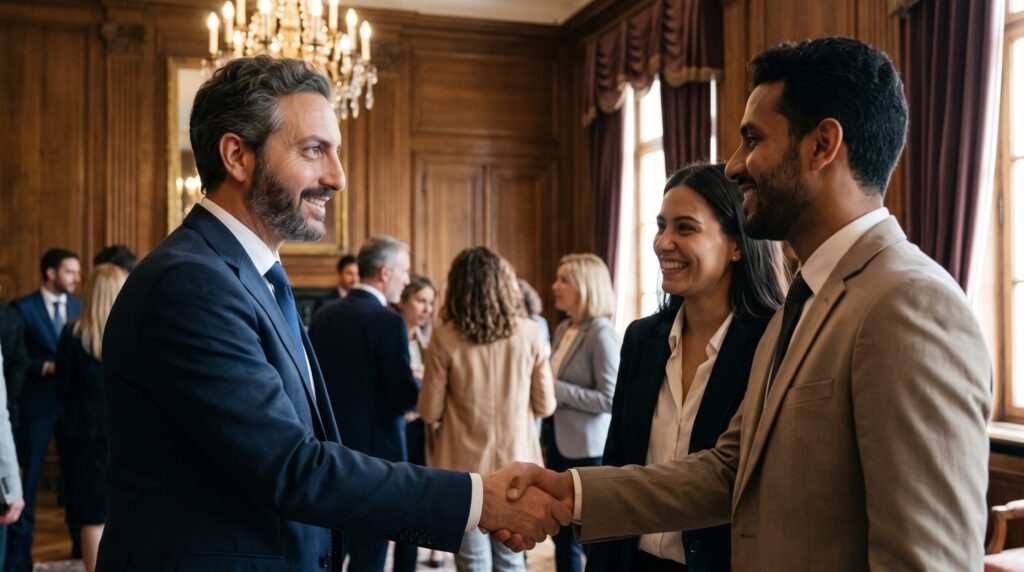
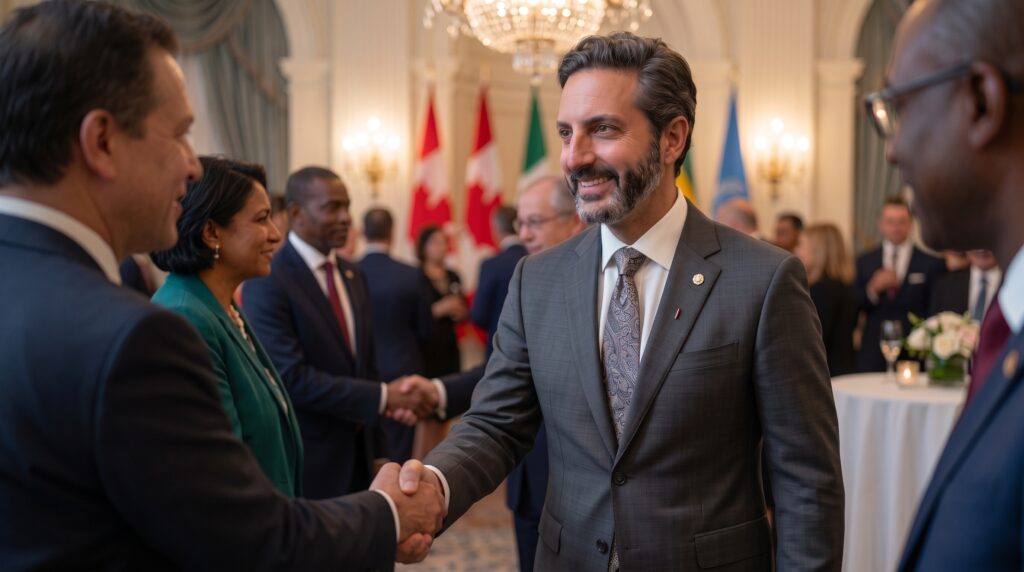
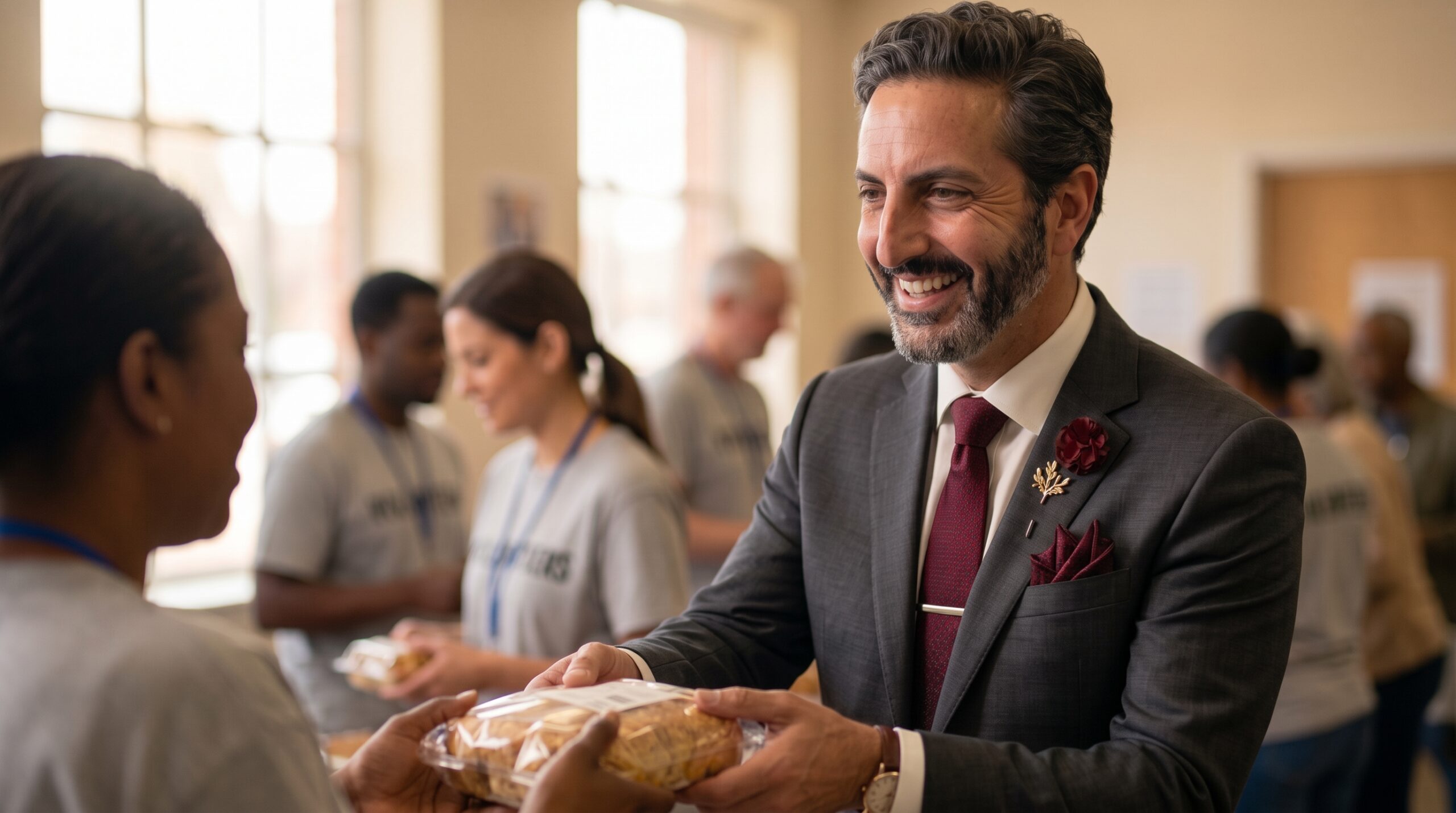
– Personal Contact: First, real help requires personal action. Meeting people face-to-face creates genuine trust. Therefore, personal contact builds connection far better than simple email messages or distant donations.
– Team Action: In addition, good leaders encourage their teams to get involved and give back. When groups work together for others, they become stronger and more effective. Consequently, team action improves workplace culture.
– Positive Spirit: Finally, helping other people brings lasting joy. Leading with a kind heart and a cheerful smile makes a big difference. As a result, a positive spirit helps everyone feel respected and valued.
Sustaining Long-Term Impact Through Purposeful Giving
Practicing purposeful giving creates a lasting positive impact across society. Executive leaders who invest in local communities inspire others to take action. As a result, individual efforts multiply into powerful group achievements.
Additionally, integrating purposeful giving into organizational strategy builds resilient corporate cultures. Employees feel proud when their leadership supports meaningful causes. When companies align business success with social responsibility, they attract top talent and earn long-term public trust.
In conclusion, business goals bring your team together effectively. Ultimately, purposeful giving creates lasting strength, unity, and shared success for everyone involved.
The Architecture of Purposeful Impact
In conclusion, true enterprise legacy extends far beyond fiscal margins or commercial scaling. Executive leaders who anchor their influence in direct community stewardship cultivate a deeper level of institutional trust that cannot be replicated through basic corporate marketing. Therefore, integrating intentional, ground-level philanthropy with corporate identity is what ultimately transforms short-term commercial footprint growth into a permanent generational legacy.
Ali Shafi is a Senior Strategic Advisor and Executive Leader based in Dubai. He advises corporate boards, sovereign entities, and enterprise groups on GCC market expansion, geopolitical risk alignment, and strategic partnerships.
Explore more executive insights at: https://www.alishafi.com/articles.