GCC Strategic Executive Insights
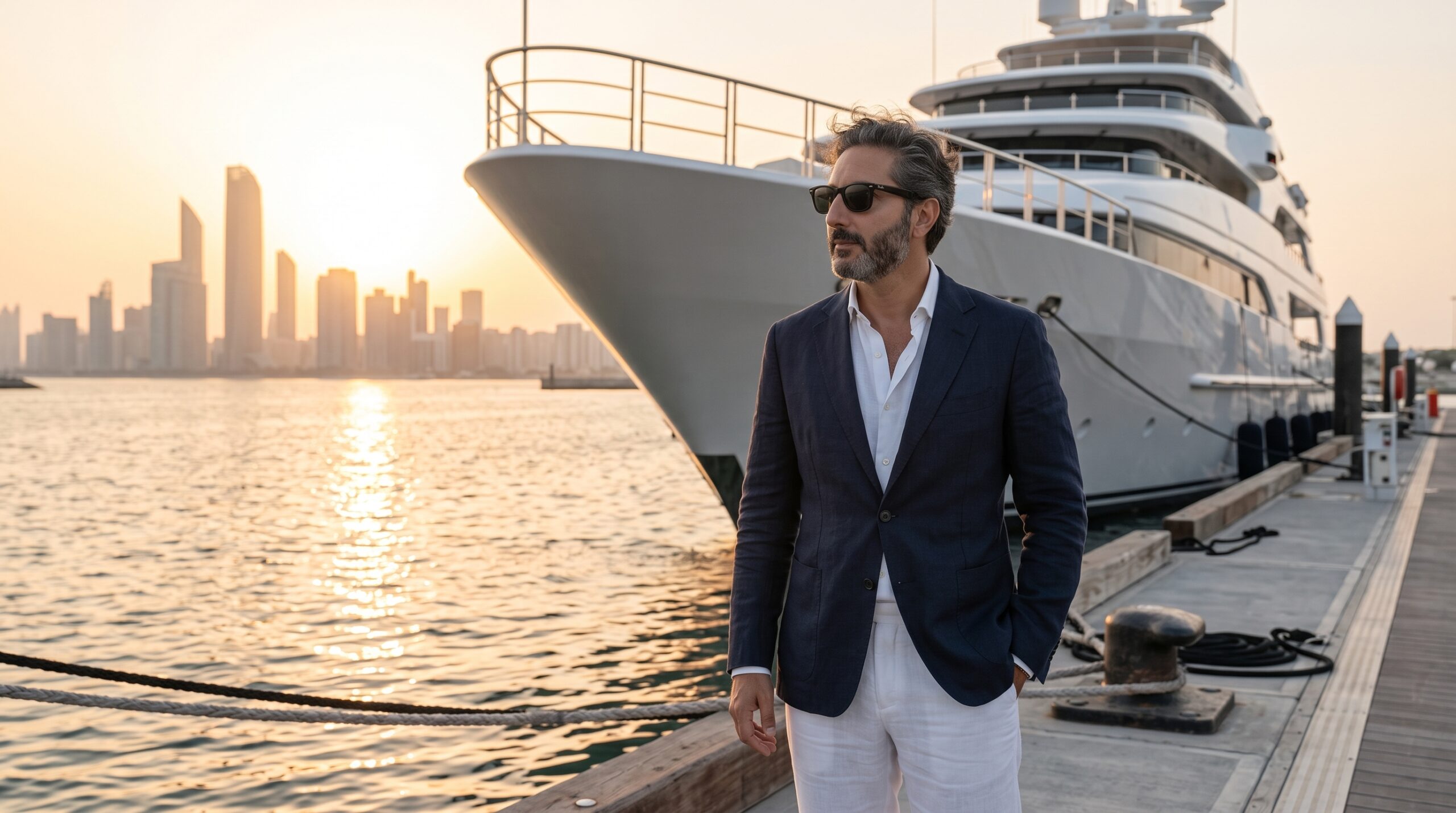
Establishing a dominant presence across the high-net-worth and luxury sectors in the GCC requires far more than aesthetic sophistication. Specifically, building long-term commercial equity across Dubai’s waterfront developments and elite lifestyle hubs demands integrating ultra-luxury brand positioning with rigorous financial structuring.
Management teams entering the regional luxury market frequently focus on superficial brand equity, lifestyle positioning, and immediate high-margin retail sales. However, institutional investors and sovereign wealth stakeholders view luxury assets through a much broader framework.
Ultra-high-net-worth investments demand long-term value retention, pristine asset management, and direct alignment with regional tourism and maritime master plans. Consequently, how executive leaders balance brand prestige with sustainable yield dictates their ability to attract enduring capital.
Why Strategic Rigor Elevates the Luxury Sector
The high-end commercial landscape in the Middle East is maturing rapidly into a sophisticated global asset class. Furthermore, major regional capitals are expanding world-class marinas, private aviation hubs, and bespoke hospitality destinations to draw global capital. As a result, enterprise leaders and strategic advisors must apply institutional-grade governance to luxury portfolio management.
To successfully scale high-value luxury enterprises across regional waters and coastal hubs, business leaders must master three core pillars:
– Protecting Long-Term Asset Equity: Ultra-luxury investments maintain their premium only when brand integrity remains uncompromised. In addition, forward-thinking executives enforce strict quality standards and exclusive distribution channels to safeguard asset value.
– Capitalizing on Regional Waterfront Expansion: Coastal infrastructure and maritime ecosystems represent prime growth corridors across the Arabian Gulf. Rather than relying solely on traditional real estate models, leaders structure integrated lifestyle and maritime frameworks that unlock recurring revenue streams.
– Structuring Institutional-Grade Governance: High-net-worth enterprises require transparent oversight and sophisticated financial controls. Because institutional investors demand clarity, executives who implement robust corporate governance ensure long-term stability and effortless capital recruitment.
Steering High-Value Alliances in Modern Hubs
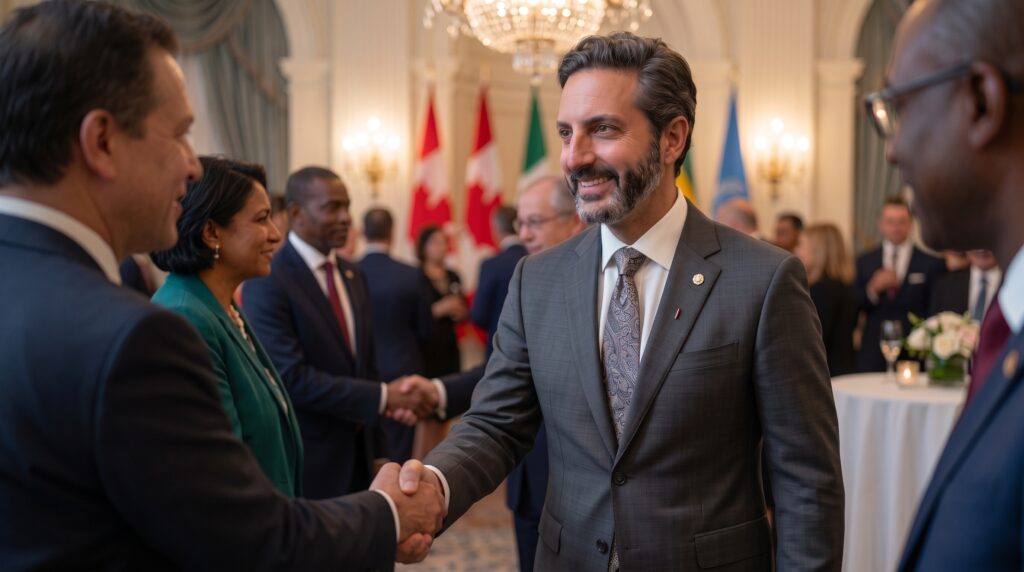
Operating within elite regional environments demands deep market fluency, acute commercial foresight, and unyielding personal authority. Moreover, converting initial high-net-worth access into sustained institutional growth requires translating luxury vision into execution-ready business models. Ultimately, disciplined governance ensures enterprise leaders navigate high-value markets with confidence and clarity.
As global capital continues to flow into Dubai and the wider GCC’s premier luxury corridors, the role of strategic advisors remains essential. Indeed, they connect high-level investor expectations with operational excellence, ensuring every strategic venture yields maximum commercial return.
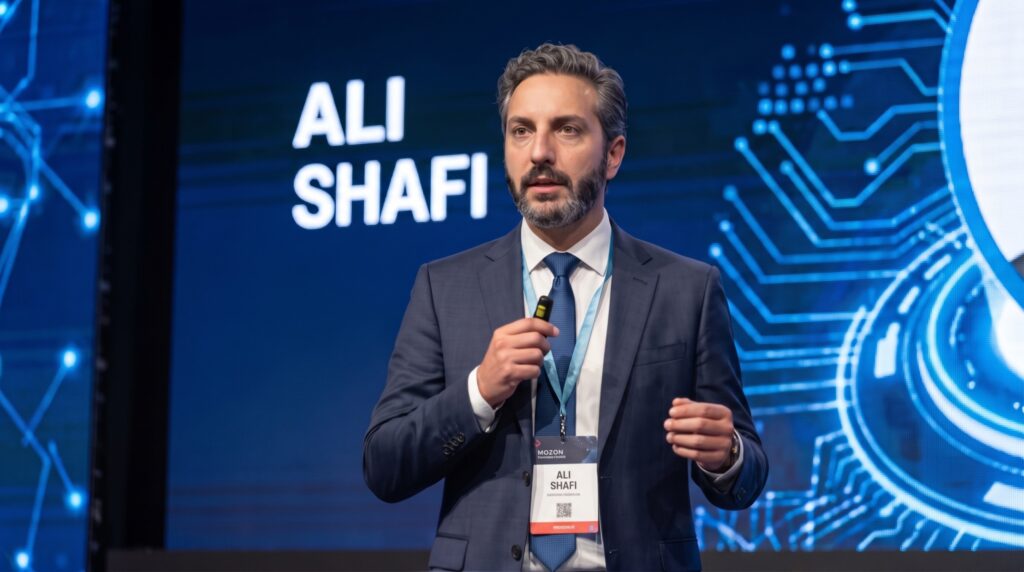
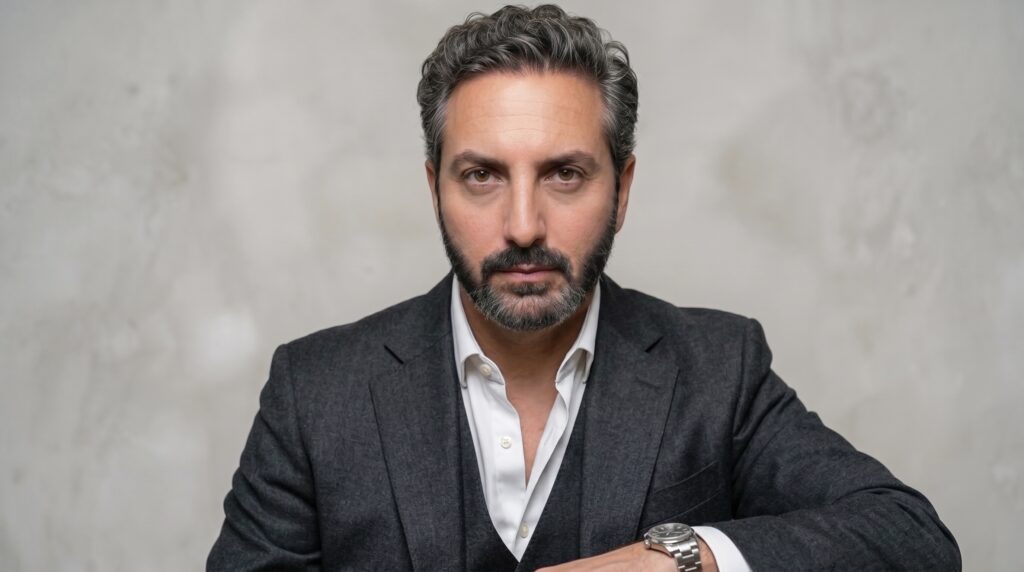
Ali Shafi is a Senior Strategic Advisor and Executive Leader based in Dubai. He advises corporate boards, sovereign entities, and enterprise groups on GCC market expansion, geopolitical risk alignment, and strategic partnerships.
Explore more executive insights at: www.alishafi.com/articles.