Strategic growth is built on genuine trust and clear communication. Bridging international corporate standards with native regional execution requires grounded presence and decisive action.
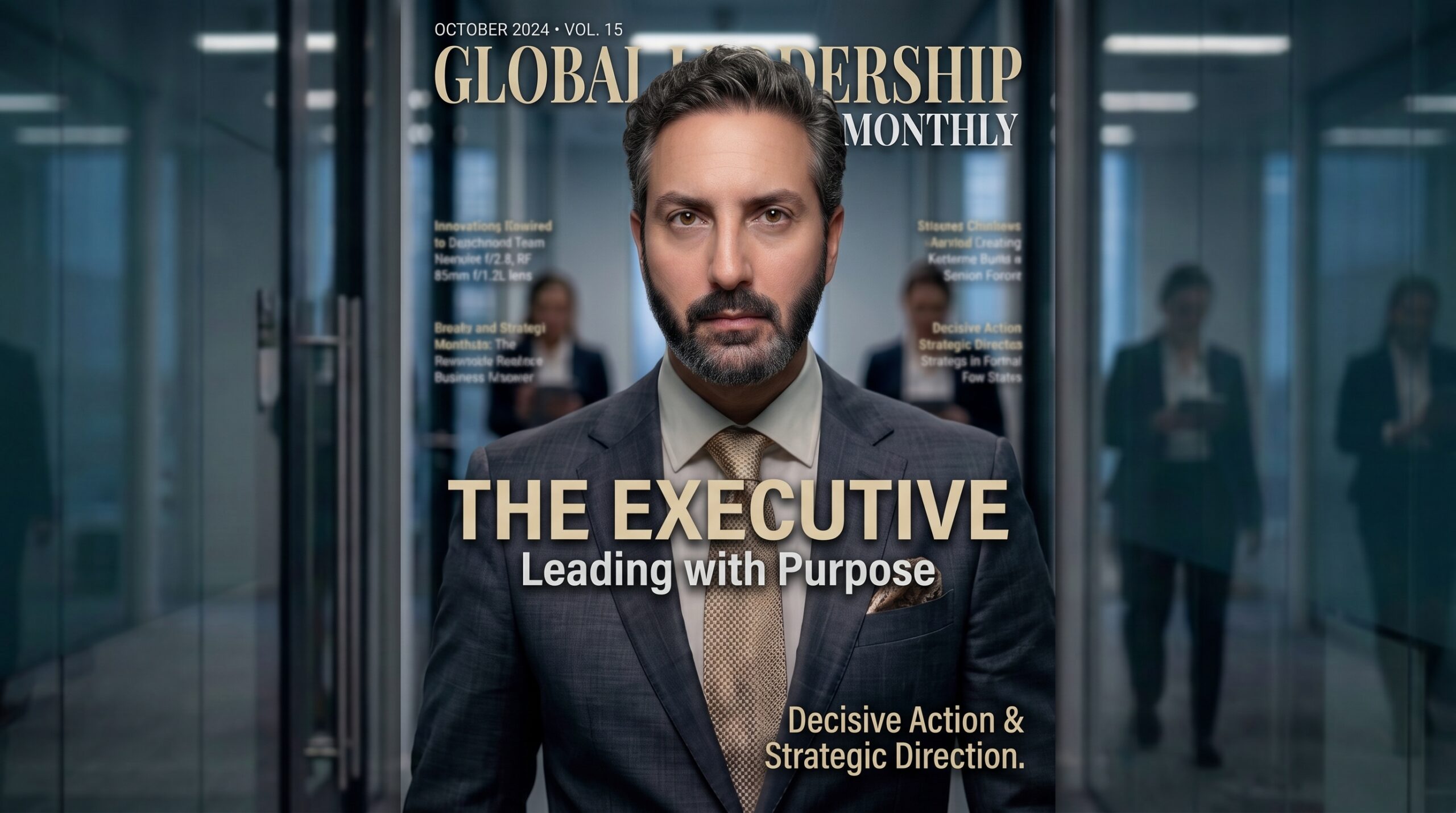
True executive leadership is measured by execution. In dynamic markets across the MENA and beyond, long term success comes down to two fundamentals: decisive action and clear strategic direction.
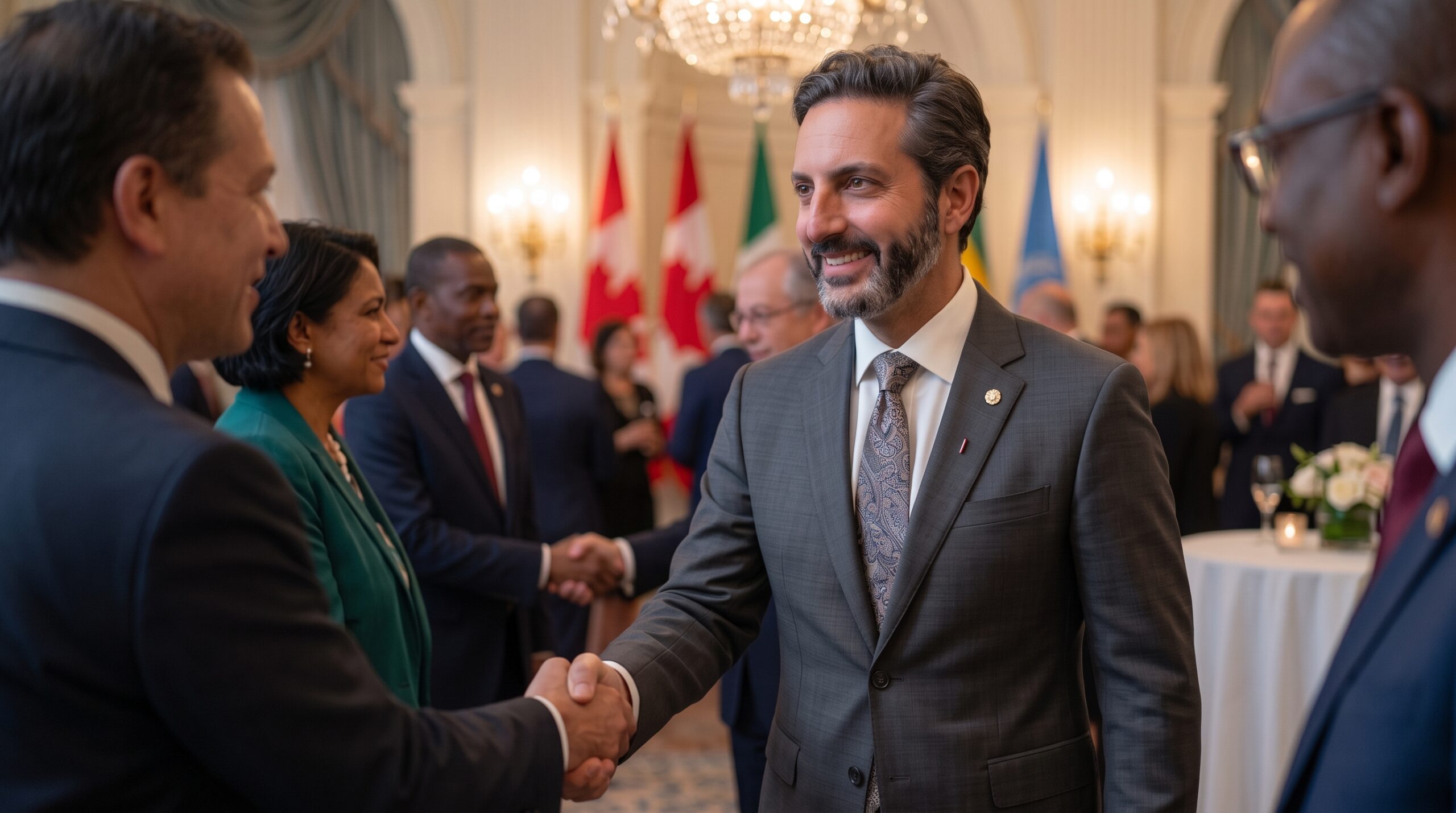
Signing MOUs establishes governance, defines scope, and creates the operational roadmap necessary to move enterprise partners efficiently into technical due diligence, site selection, and capital deployment.
Leaders operating across complex regional ecosystems must continuously align overarching policy with an actionable commercial strategy to bridge institutional vision with operational reality.
Capitalizing on emerging regional ventures across the Middle East requires exceptional focus and speed. Specifically, unlocking high-value commercial deals across the GCC demands pairing acute market instinct with decisive executive action.
Executives often prioritize pure operational mechanics, rapid deal flow, and Western institutional frameworks. Yet, sovereign partnerships and family-office alliances operate within an ecosystem deeply rooted in trust, patience, and honor.
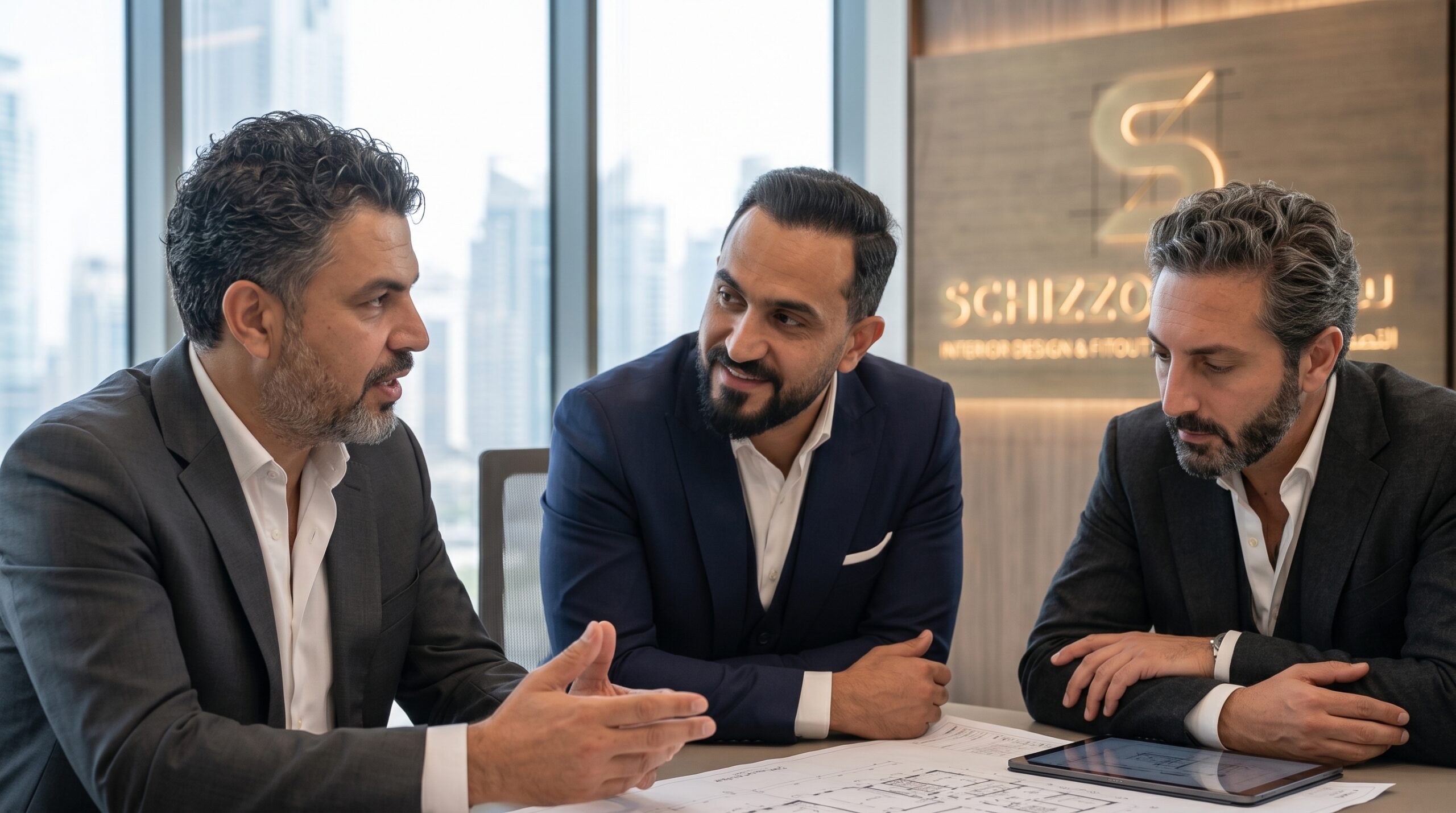
Driving executive alignment accelerates cross-border growth and builds resilient frameworks. Direct collaboration between senior leadership and management ensures strategic initiatives transition seamlessly from planning to execution.
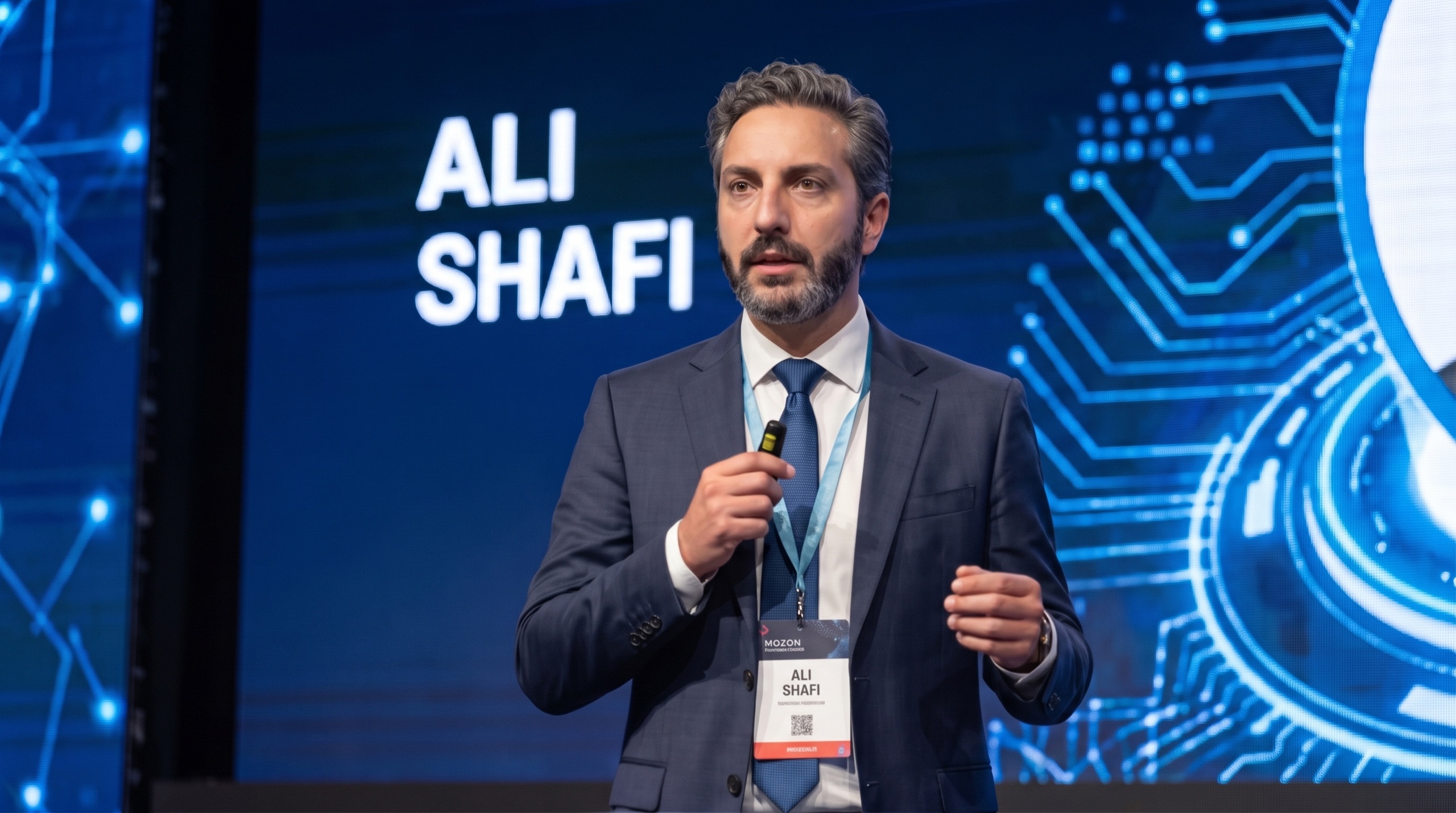
In fast-moving tech markets, driving global innovation requires more than vision. Executing a global tech strategy demands aligning corporate goals, sovereign economic agendas, and localized execution frameworks.
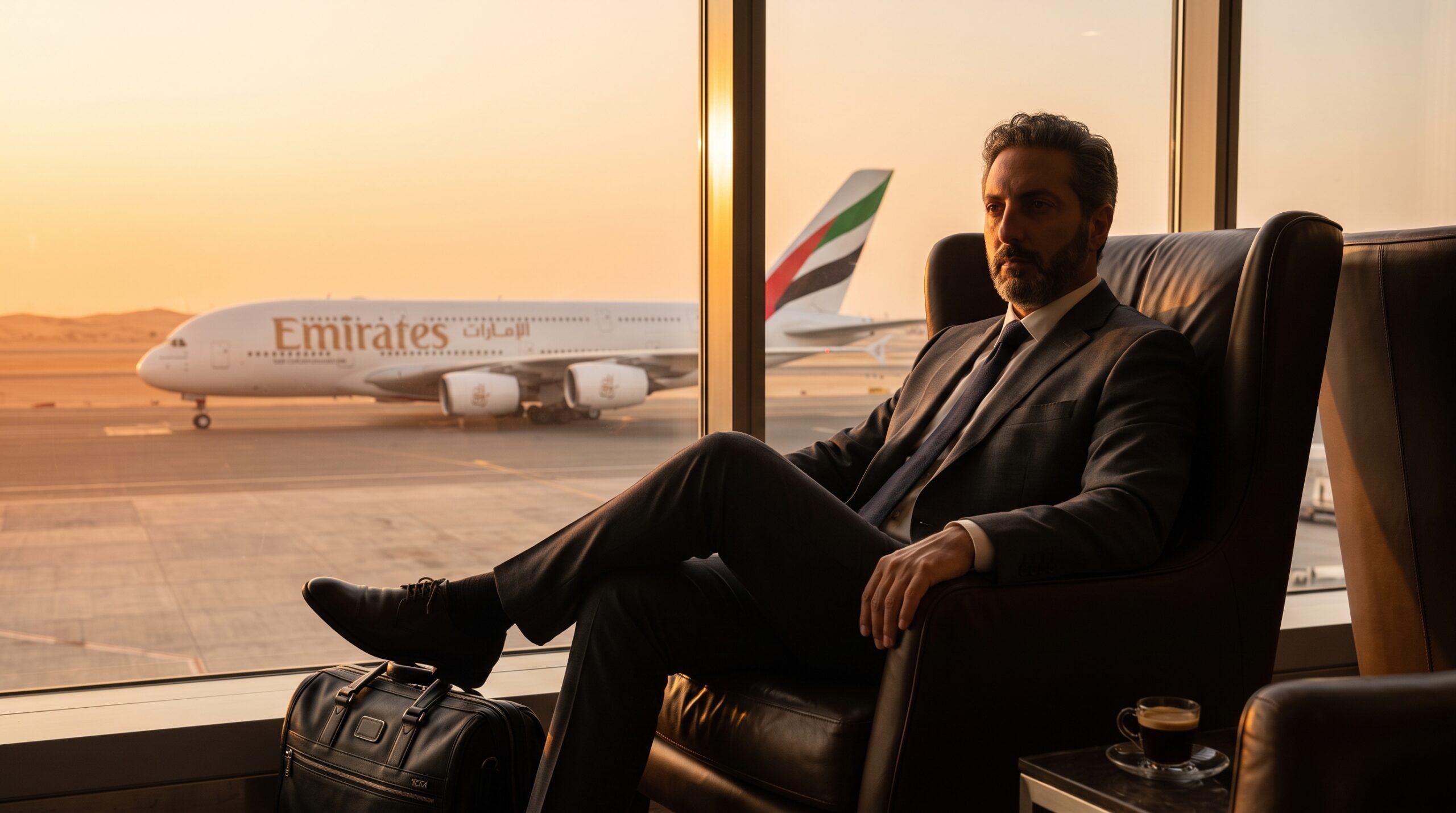
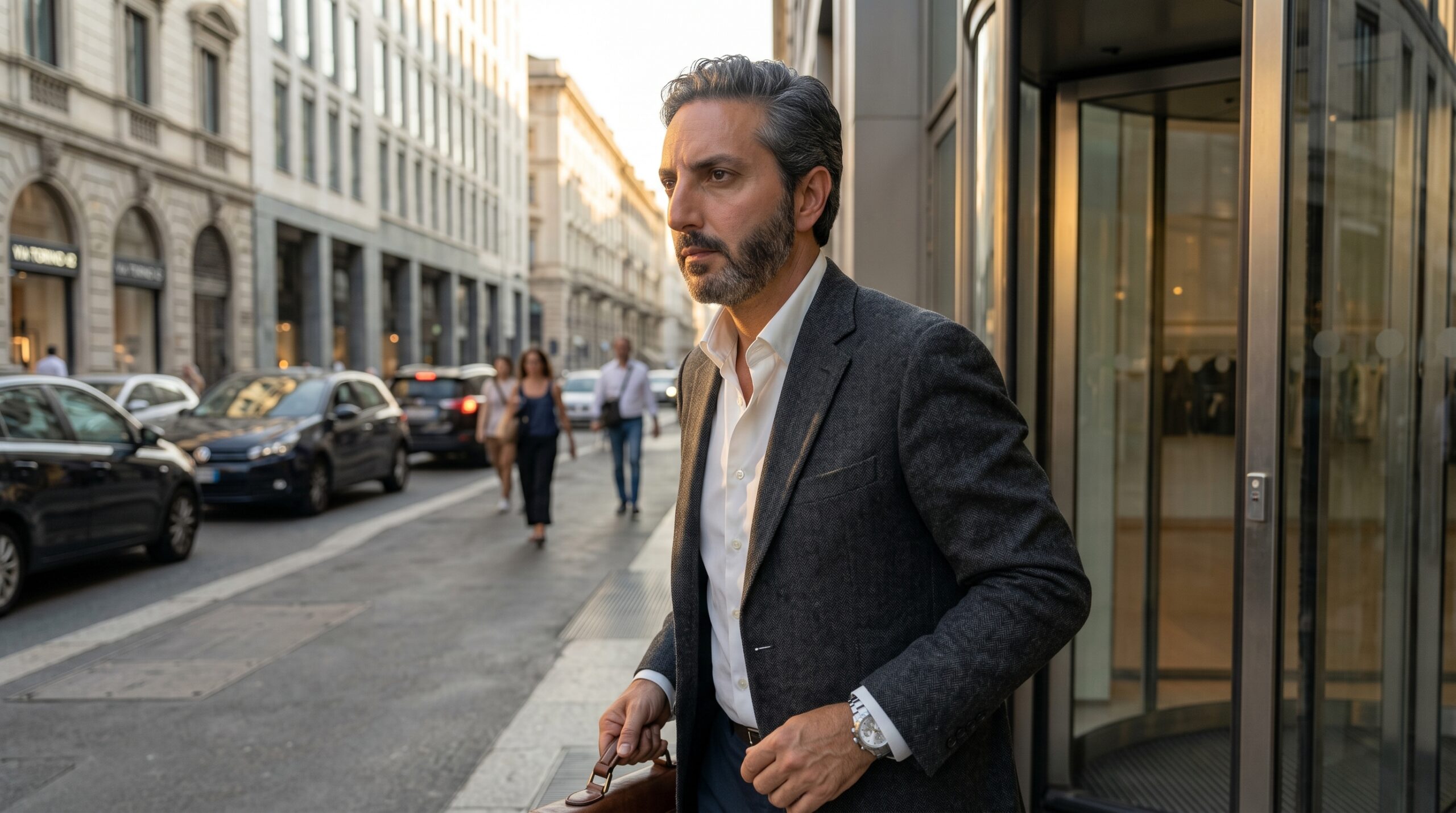
In fast-moving global markets, leadership rarely happens behind a desk. Strategic growth demands constant flexibility, rapid decision making, and the ability to digest complex market shifts on the go.
When I start having a depth of thoughts about a new strategy, I do not just look at spreadsheets and market reports. I look at people, culture, and the story behind the numbers and many other factors.
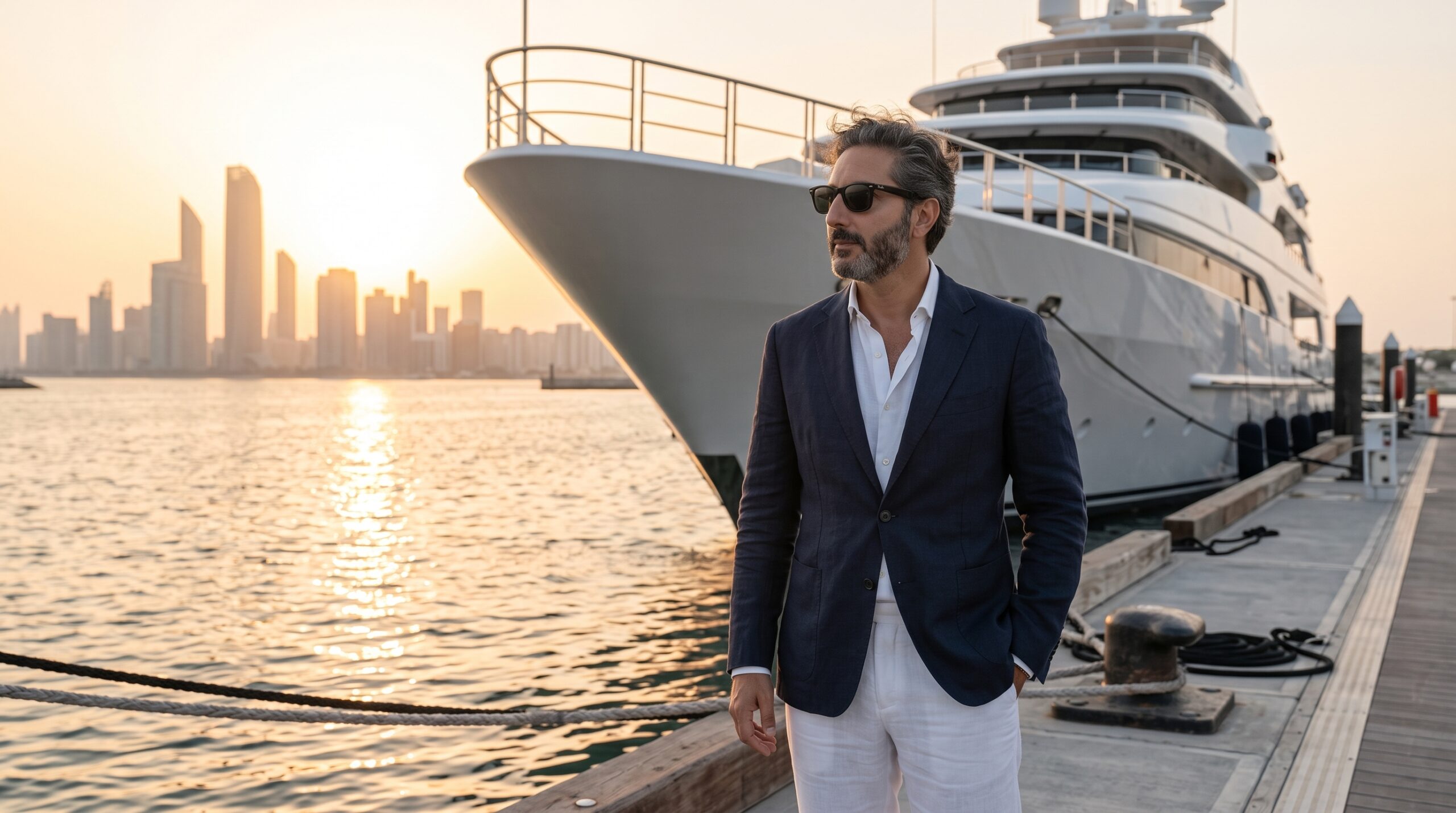
Establishing a dominant presence across the high-net-worth and luxury sectors in the GCC requires far more than aesthetic sophistication. Specifically, building long-term commercial equity across Dubai’s waterfront developments.
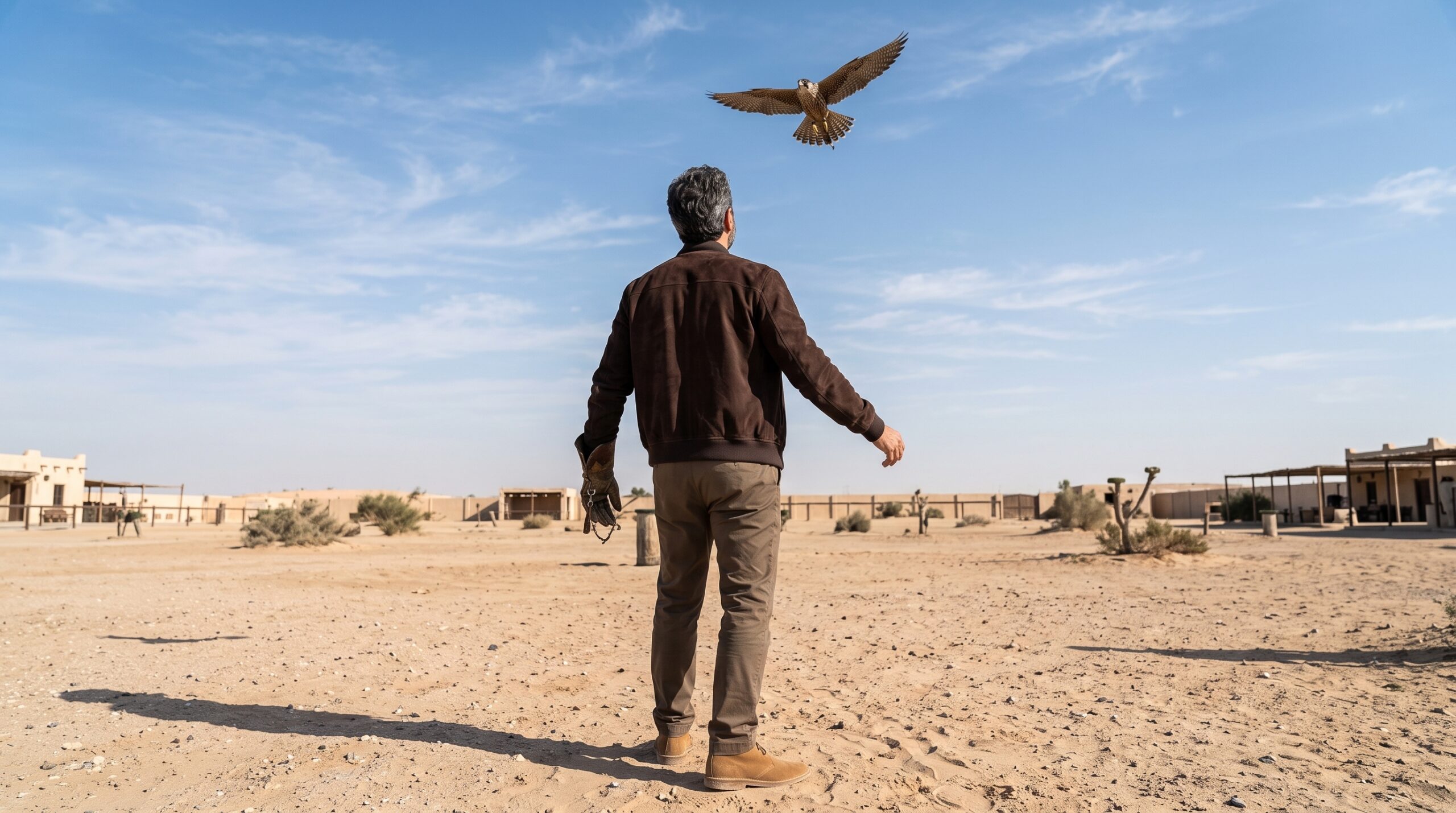
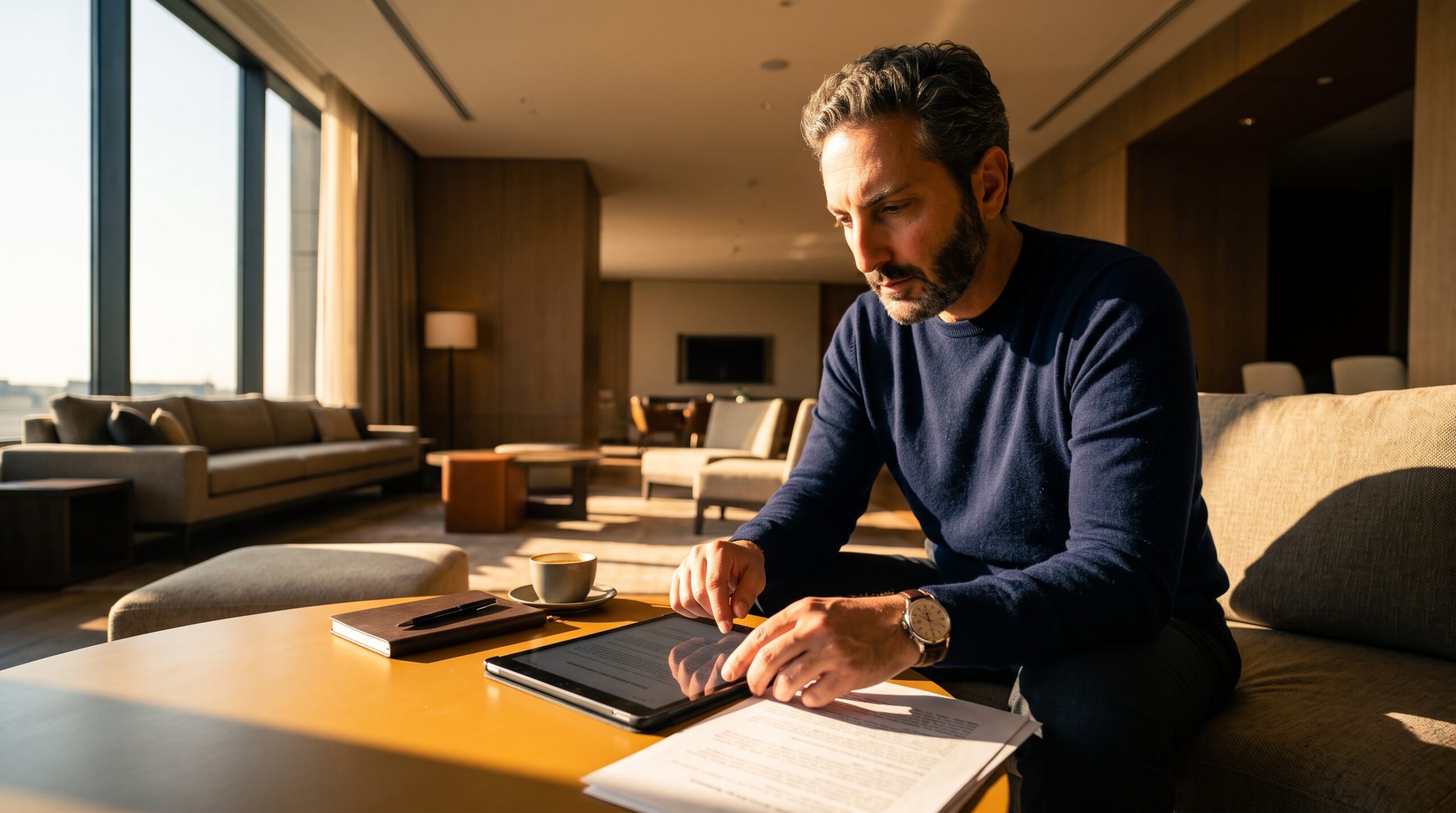
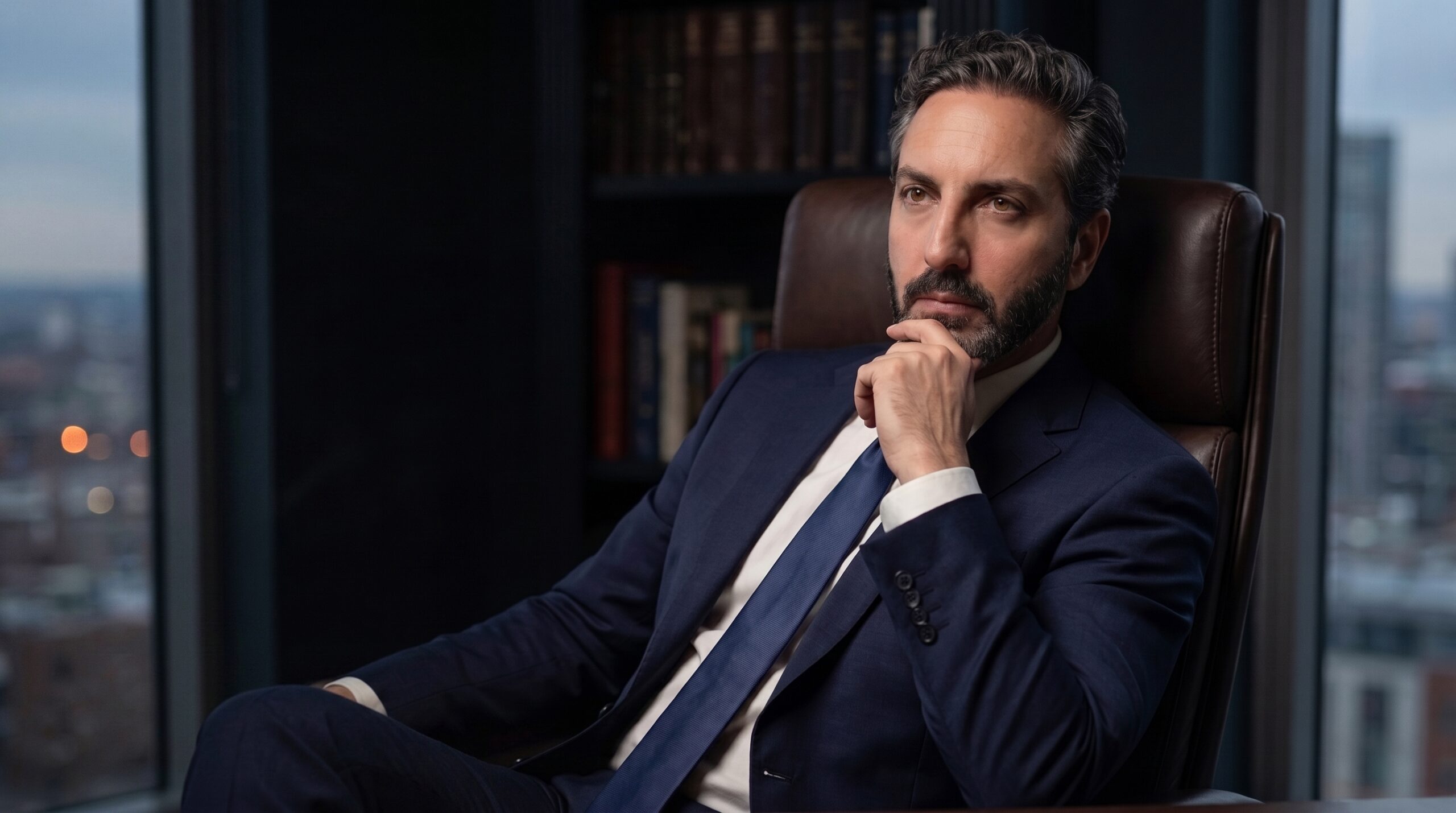
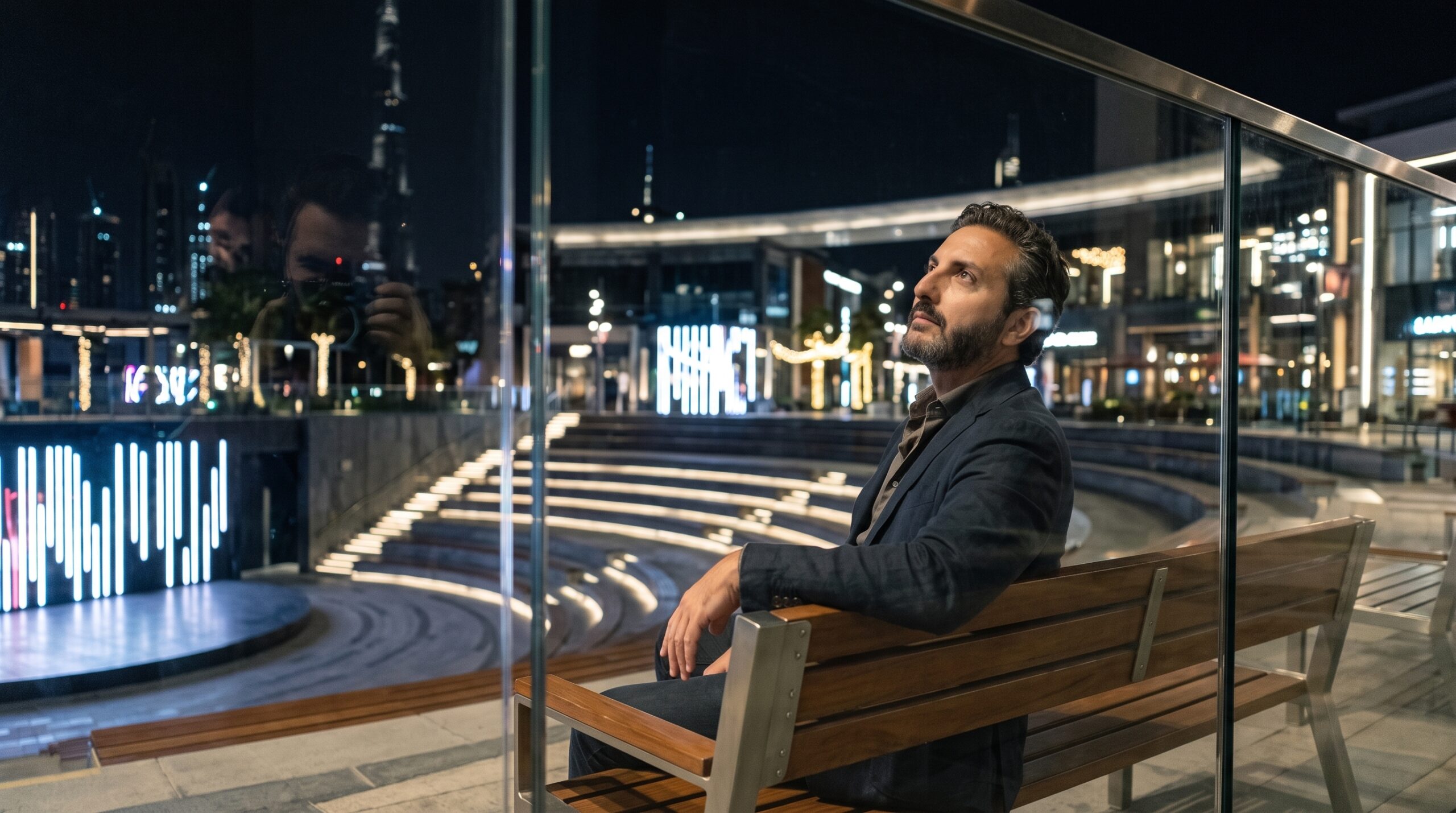
Stepping away from formal boardrooms into quiet, focused environments creates space for deep reflection. These dedicated analytical moments are where meaningful business models and expansion plans take shape.
Driving executive alignment accelerates cross-border growth and builds resilient institutional frameworks. Direct collaboration between senior leadership and management streamlines vital communication channels.
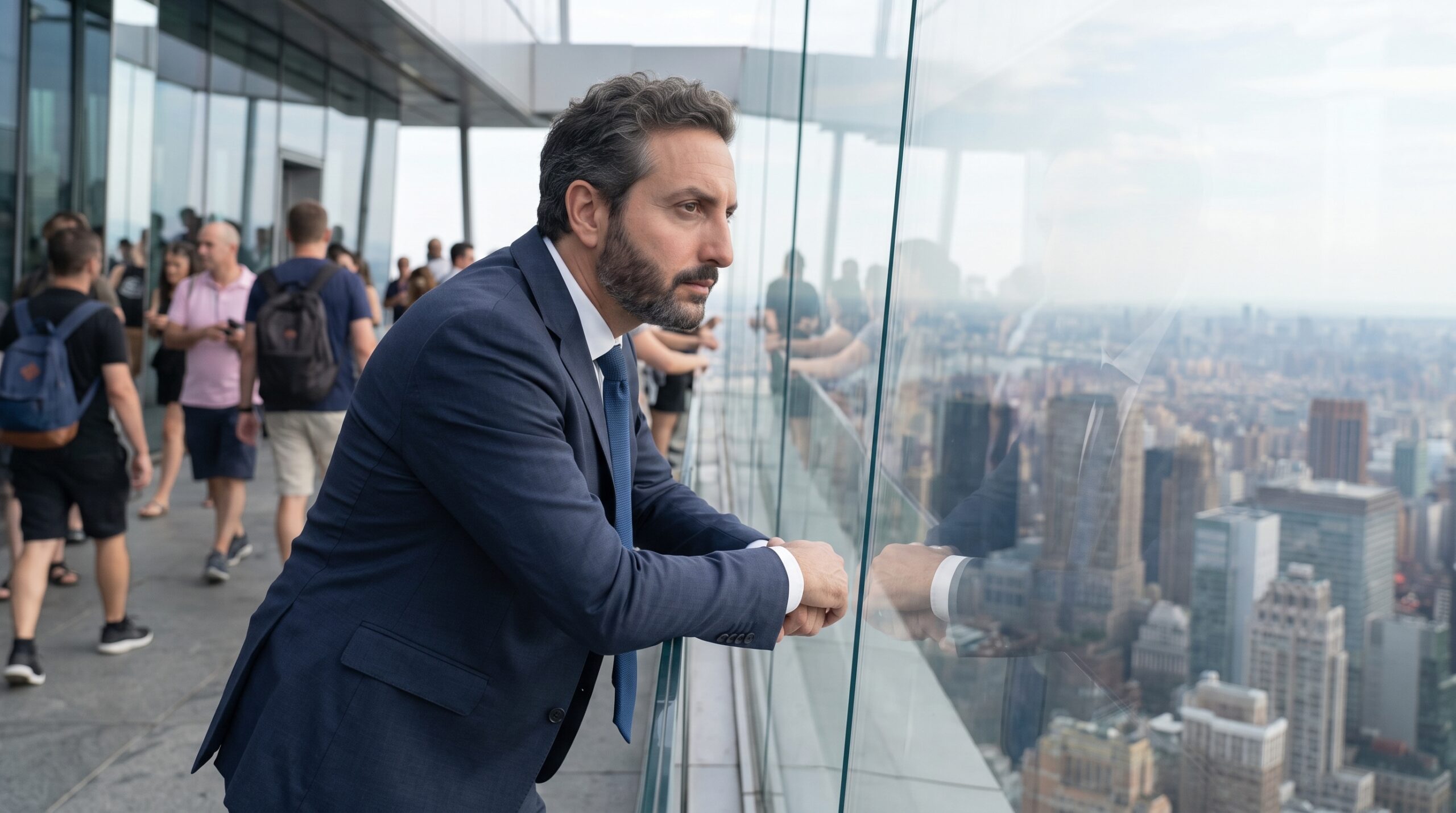
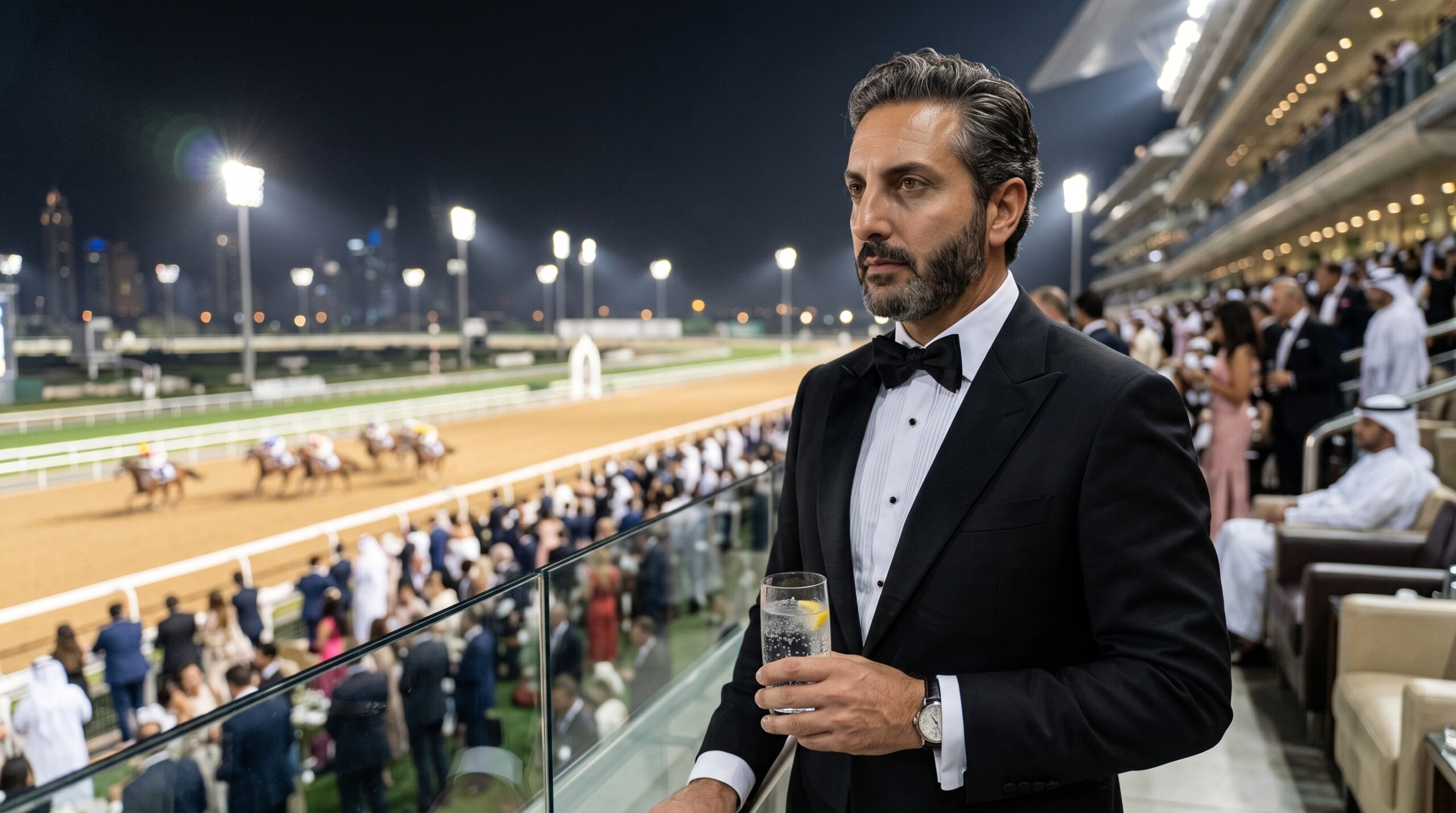
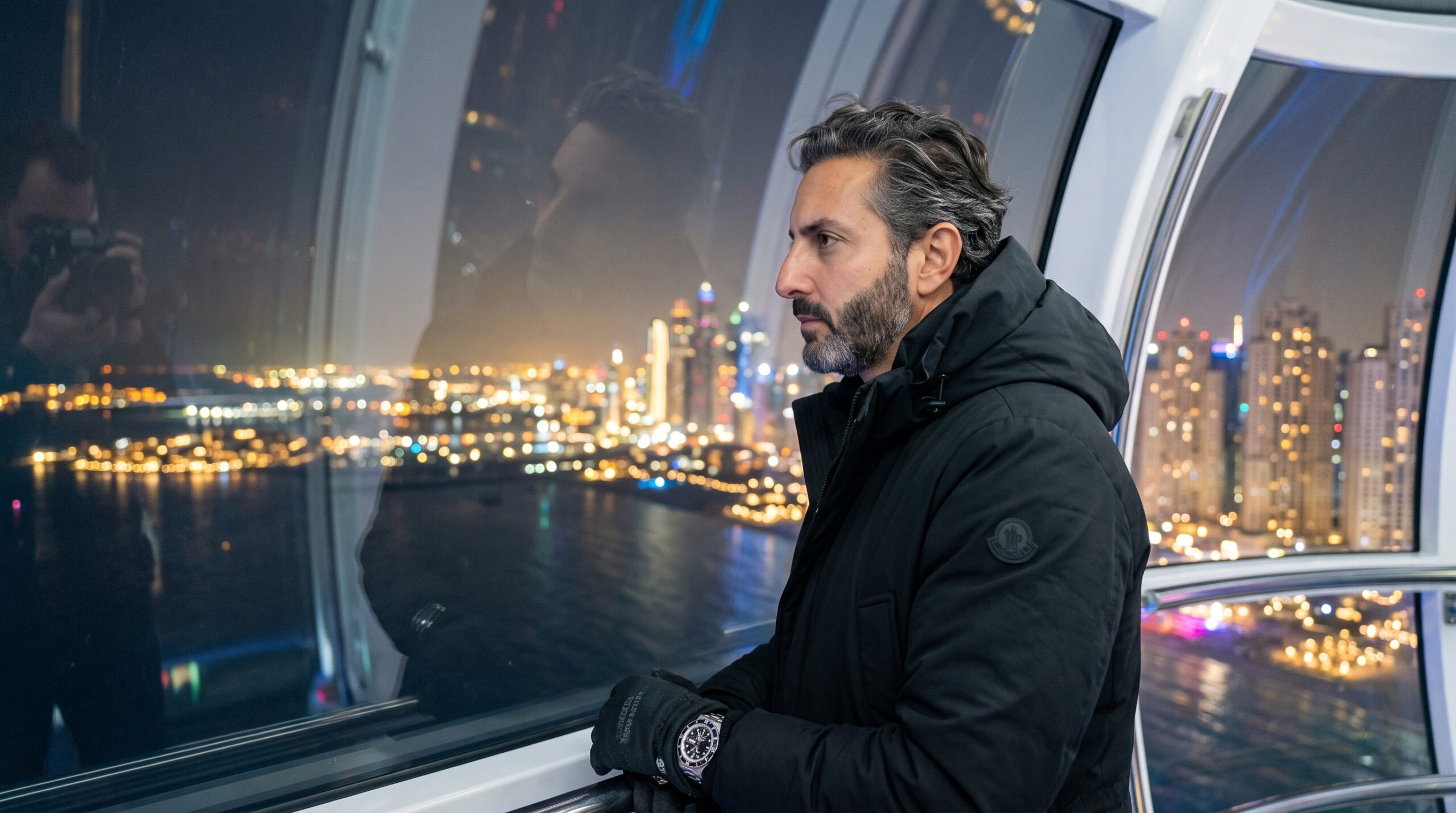
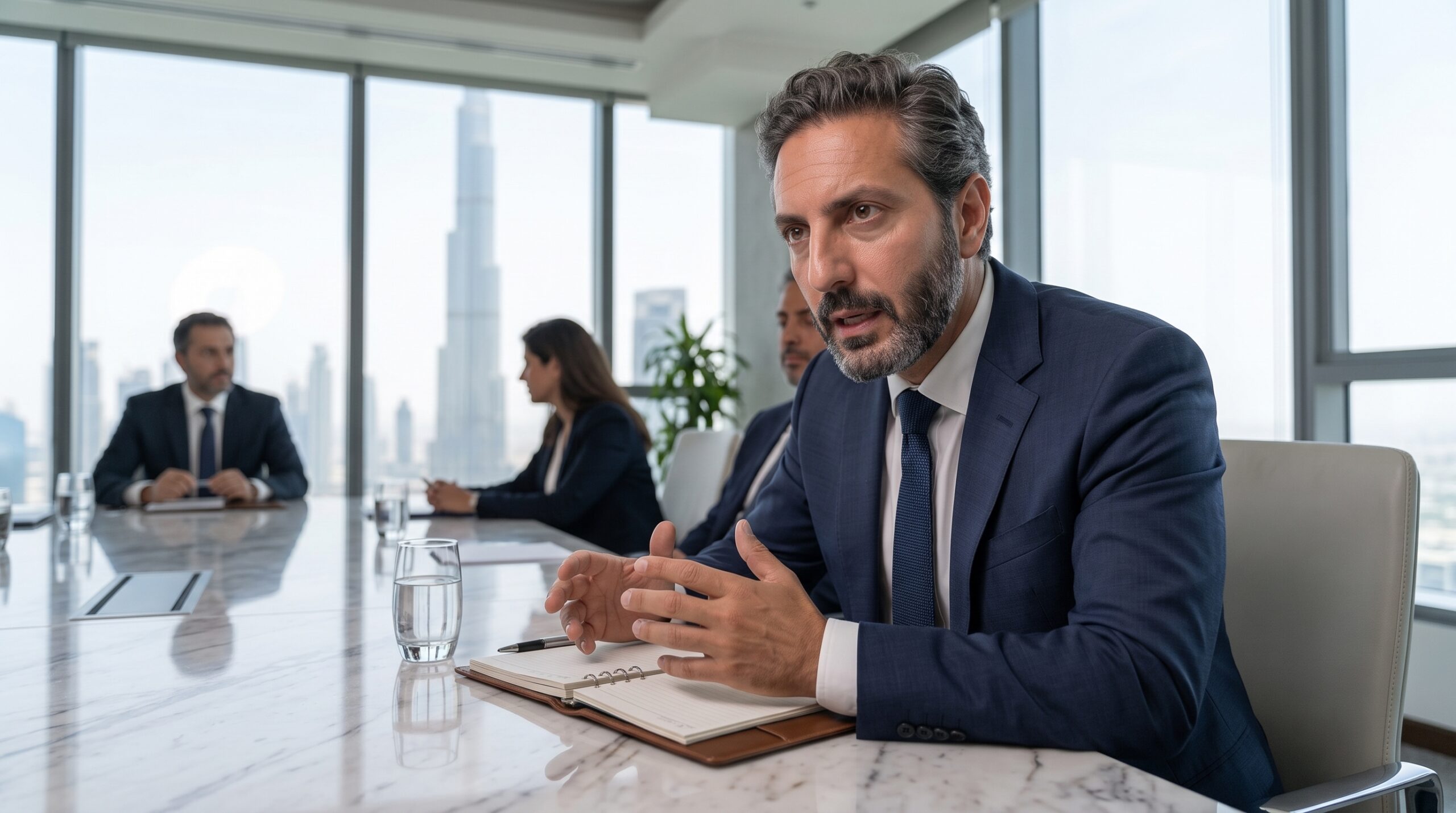
Shaping institutional strategy balances vision, governance, and agility to drive growth across global hubs. Positioned above the skyline, leaders bridge regional strength with global economic expansion.
Corporate founders and C-suite leaders frequently navigate complex operational bottlenecks, supply chain negotiations, and market entry scaling. However, institutional growth requires an entirely different layer of strategic discipline.
Global executives often rely on polished pitch decks, rapid valuation metrics, and short-term commercial wins. However, sovereign wealth funds and institutional entities operate on a fundamentally different frequency.
Mastering negotiating with investors in UAE requires an acute balance of executive gravitas, institutional alignment, and cross border market expertise. Securing foreign direct investment and expanding bilateral trade corridors is the key.
Connecting Trade Corridors requires moving beyond simple transactional meetings. It demands an active framework that aligns regulatory requirements, simplifies cross-border setup, and builds lasting confidence between dynamic markets.
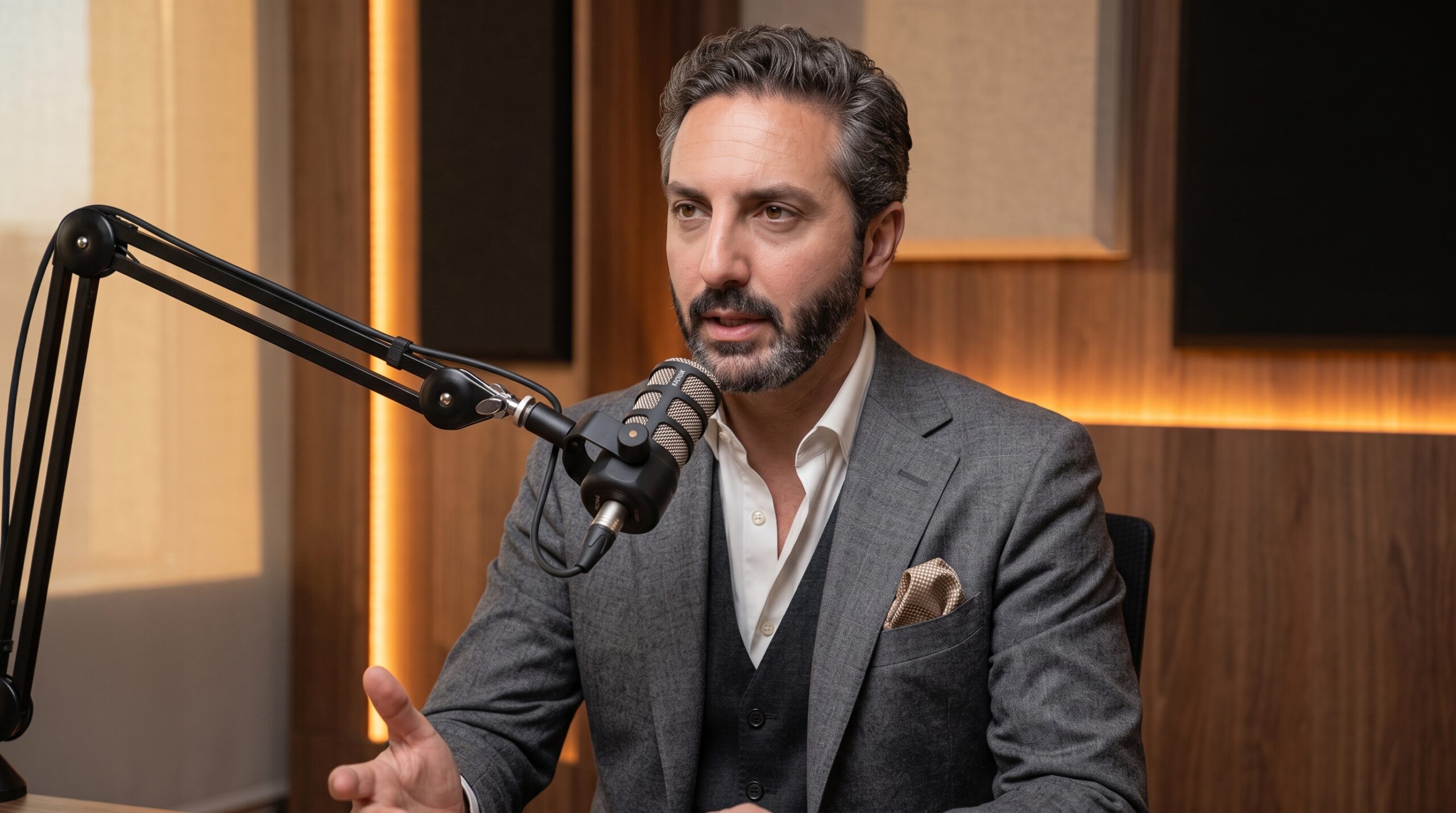
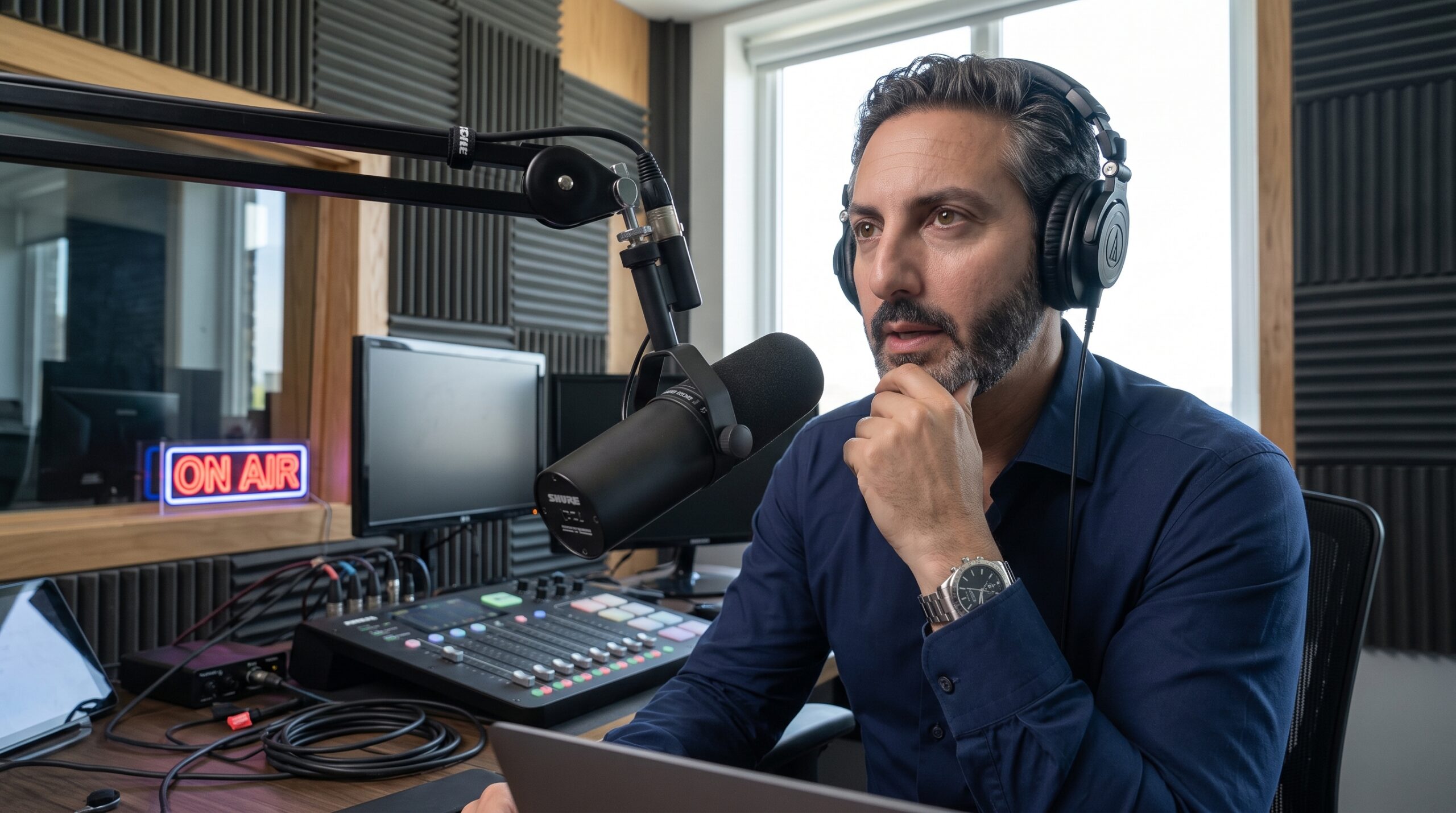
During a recent podcast interview, the host asked me a question that caught me off guard: “With all your success across so many industries, what keeps you up at night?” The host smiled and followed up.
When I start having a depth of thoughts about a new strategy, I do not just look at spreadsheets and market reports. I look at people, culture, and the story behind the numbers and many other factors.
Strong executive presence is not about rigid posturing or corporate performance. It is the quiet confidence that signals stability to partners, board members, and teams during moments of complexity.
Expanding a business into new countries requires clear thinking. Modern leaders must learn how to connect regional teams with global goals without making things complicated.
Senior leaders in real estate and infrastructure frequently get caught in micro-level operations; focusing solely on localized construction timelines, immediate contractor deliverables, and short-term pre-sales.
Global leaders often focus on rapid scaling, short-term quarterly metrics, and continuous market expansion. However, sustainable enterprise growth operates on a fundamentally different frequency.
Scaling enterprise operations across Dubai and Riyadh requires more than commercial strategy. Specifically, that requirement is corporate diplomacy in action.
The difference between a written strategy and real regional growth comes down to one factor. Specifically, that factor is effective C-Suite alignment in the GCC.
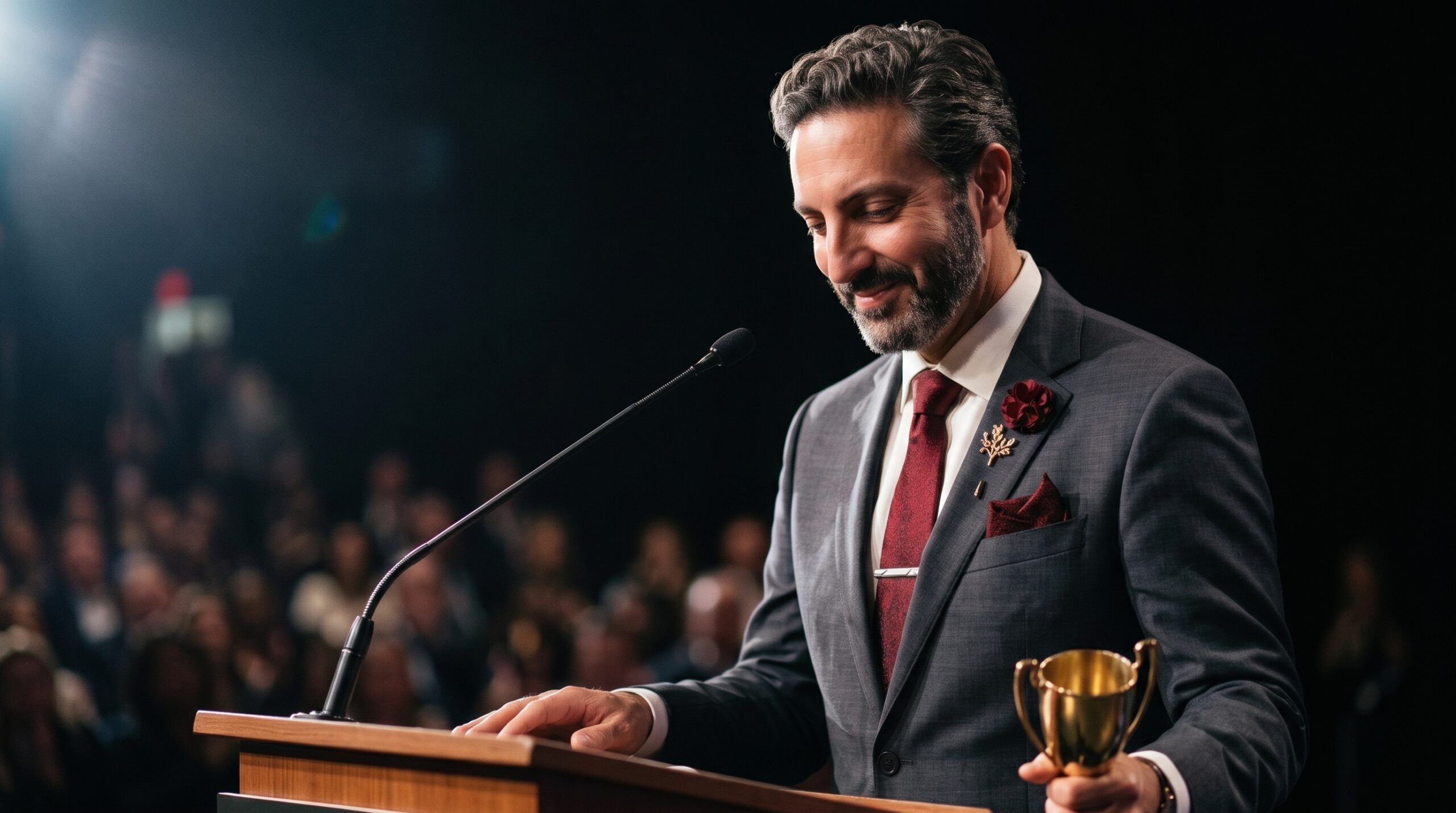
Winning awards and reaching success feels good, but true excellence comes from hard work and continuous effort. Standing at a podium is a moment to look back with gratitude and honor.
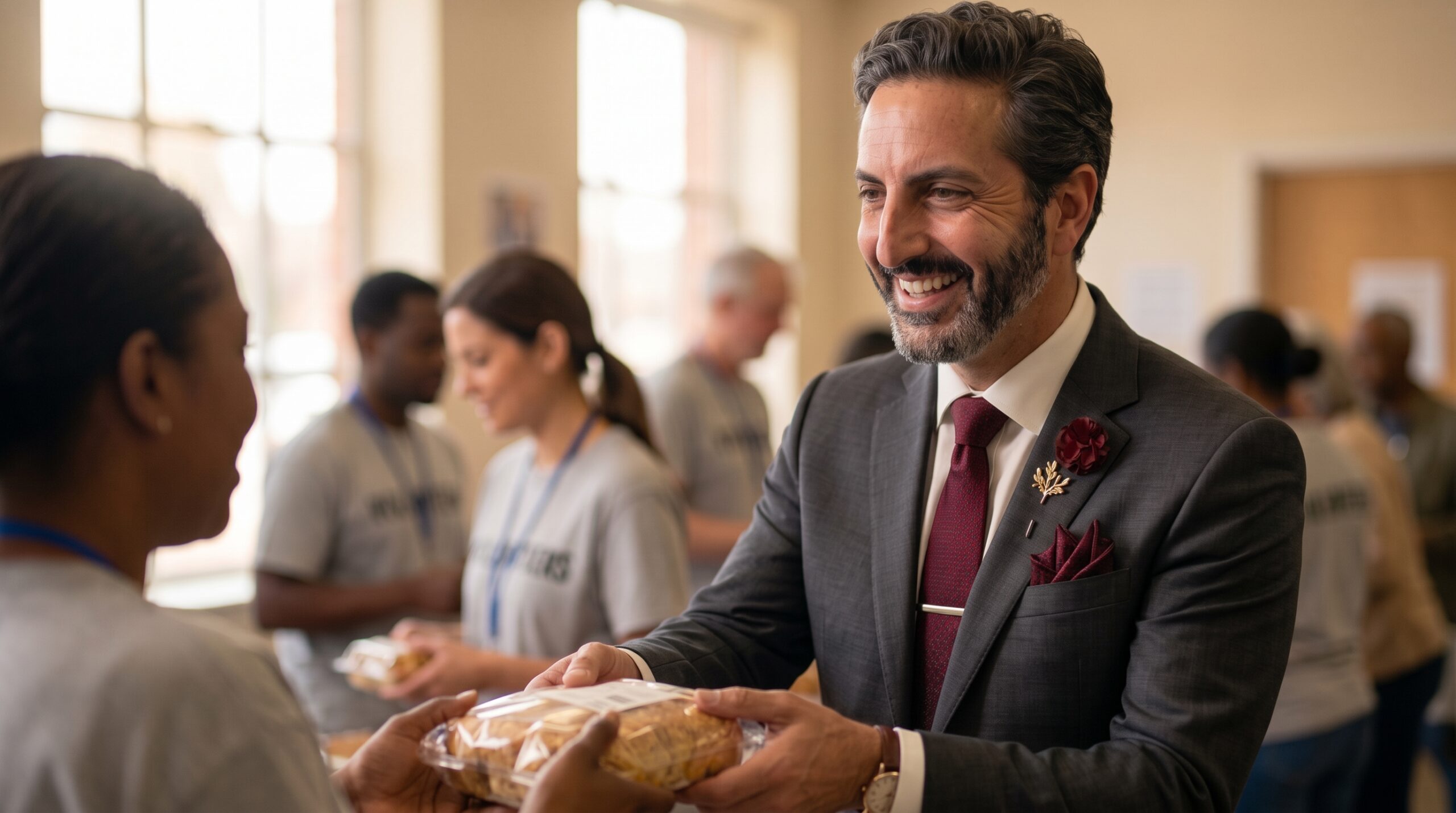
Real leadership is about more than making smart choices in an office. Strong leaders know that helping people directly creates true change and builds strong communities where everyone can succeed.
Global executives often get distracted by rapid commercial shifts and short term market cycles. However, regional business growth in the Gulf demands unwavering strategic focus combined with disciplined execution.
Closing major enterprise transactions across Dubai and Riyadh requires more than financial modeling. Specifically, that requirement is strategic deal making in Middle East capital markets.
Navigating markets requires exploring vibrant cities and understanding local culture. Walking through Toronto and other major hubs lets leaders connect with diverse communities and experience global energy.
Smart leaders use quiet travel and observation to improve their strategic thinking. Stepping back to observe the world around you gives you fresh insights and a sharper focus on long term goals.